Oct 10,2026
Before leaving Altay for Hemu and then continuing to Kanas, I’d like to walk you through the bigger picture.
Both Hemu and Kanas belong to the Greater Kanas Tourism Zone, which comprises three separate scenic sectors: Kanas Scenic Area (Kanas Village, Kanas Lake & Three Bays), Hemu Scenic Area (Hemu Village) and Baihaba Scenic Area (Baihaba Village). Baihaba is a border village, and a border permit is mandatory. We only visited Hemu and Kanas on this trip.
Here is the panoramic overview map of Greater Kanas.
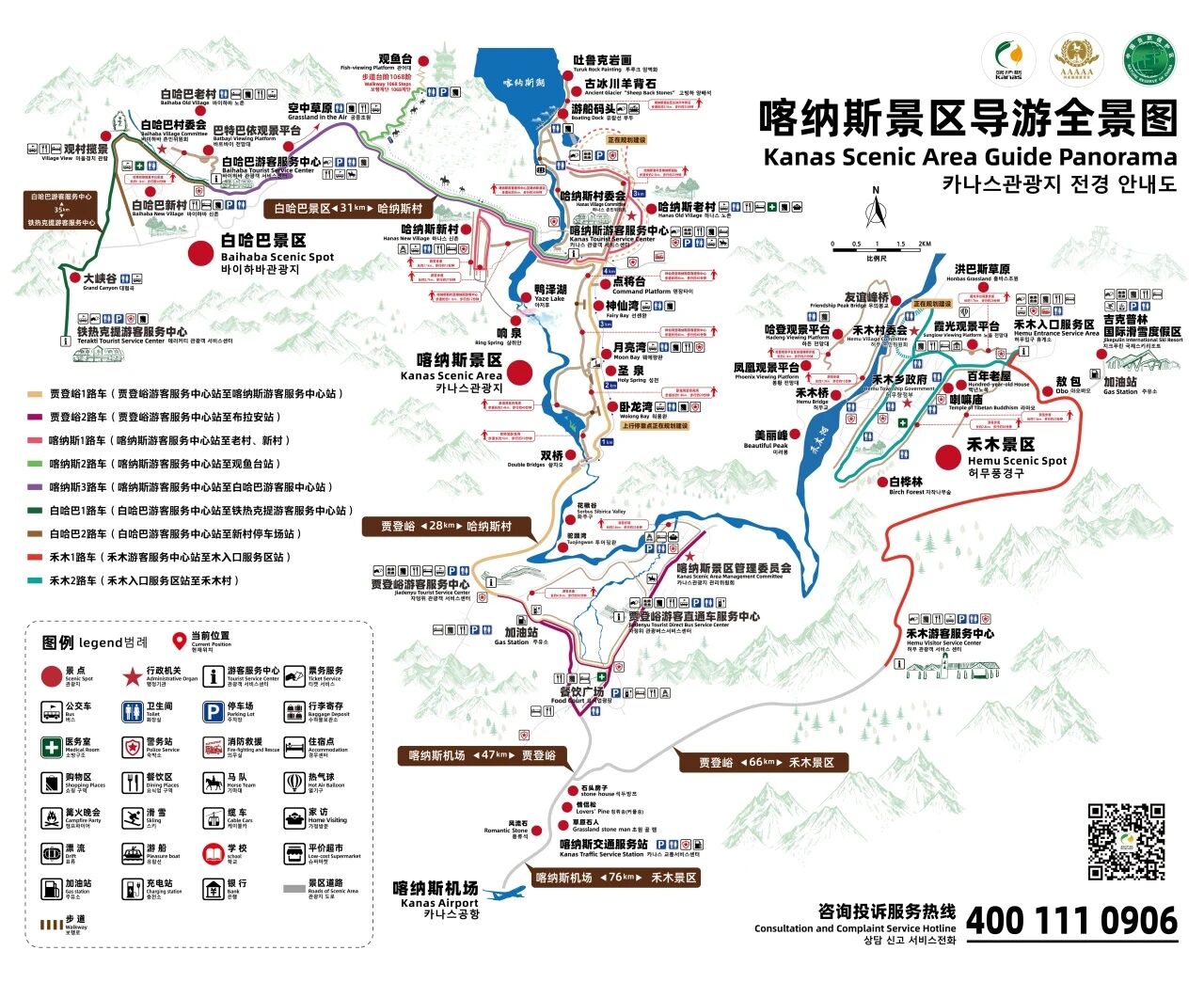
Jiadengyu is the main gateway for Greater Kanas and we didn’t stay there for long.
Jiadengyu ↔ Kanas transfer centre: 28 km, 1 hour shuttle
Jiadengyu ↔ Hemu entrance: 66 km, 1.5 hours
Jiadengyu ↔ Kanas airport: 47 km, 1.2 hours
On the morning of 2 Sep, we left Altay at around 09:20 and began our drive along the 209.45-km Ahe (Altay–Hemu) Highway((G681)), which officially opened in June 2025.
Along Ahe Highway lie alpine wetlands, glacial landforms, natural pastures and flower-filled meadows, plus ethnic customs and nomadic culture.
Scenic views unfold all along the route.
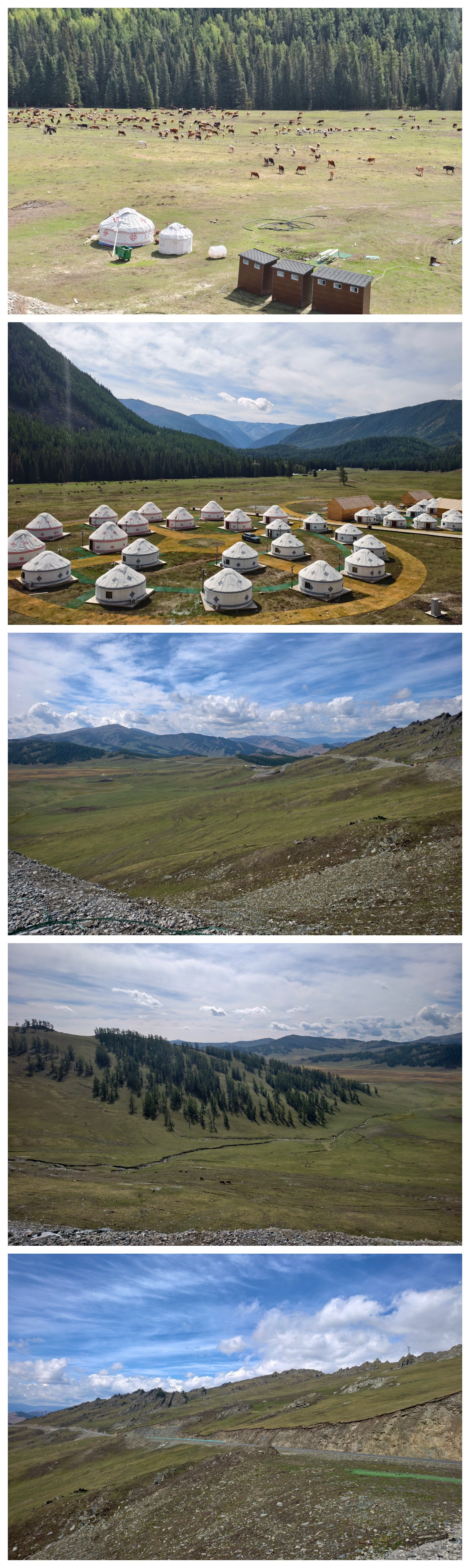
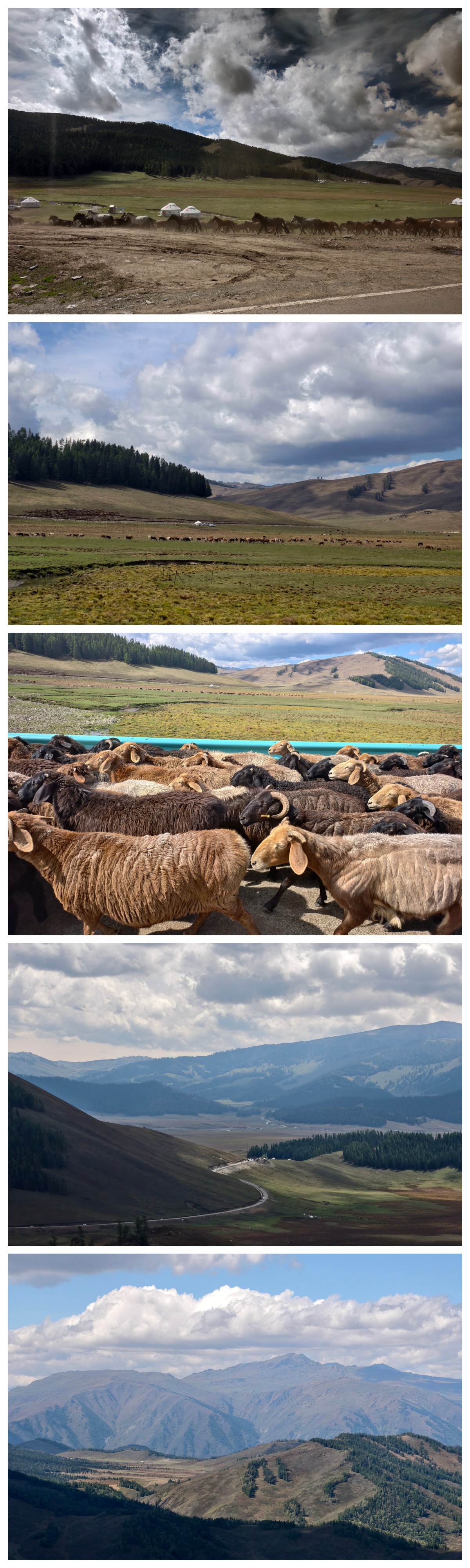
We made several stops at viewing points and service centres along the road. A practical tip: you will very likely encounter toilet queues at the first stop. I suggest skipping it and moving on to the later stops, which get progressively less crowded, unless you urgently need to use the restroom.
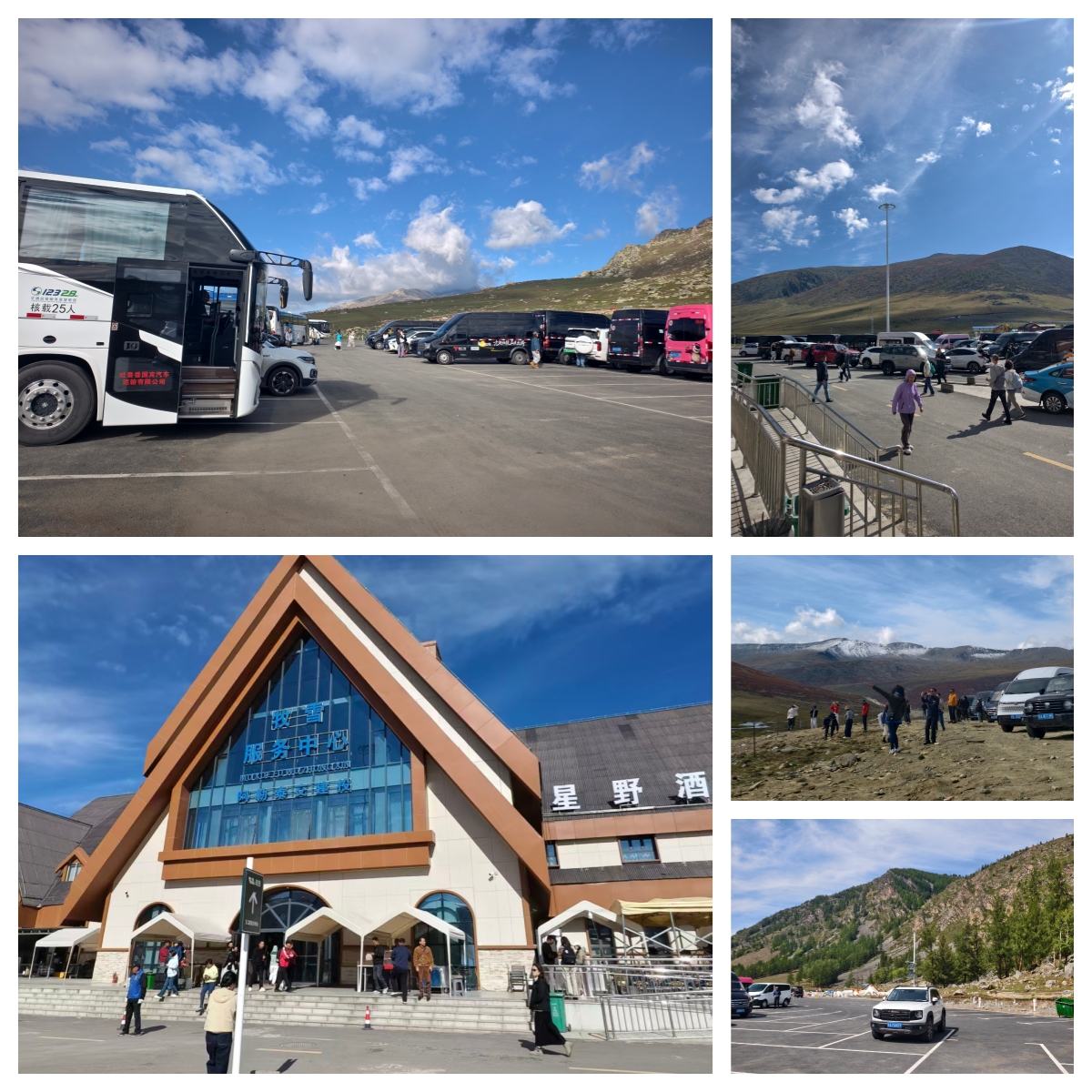
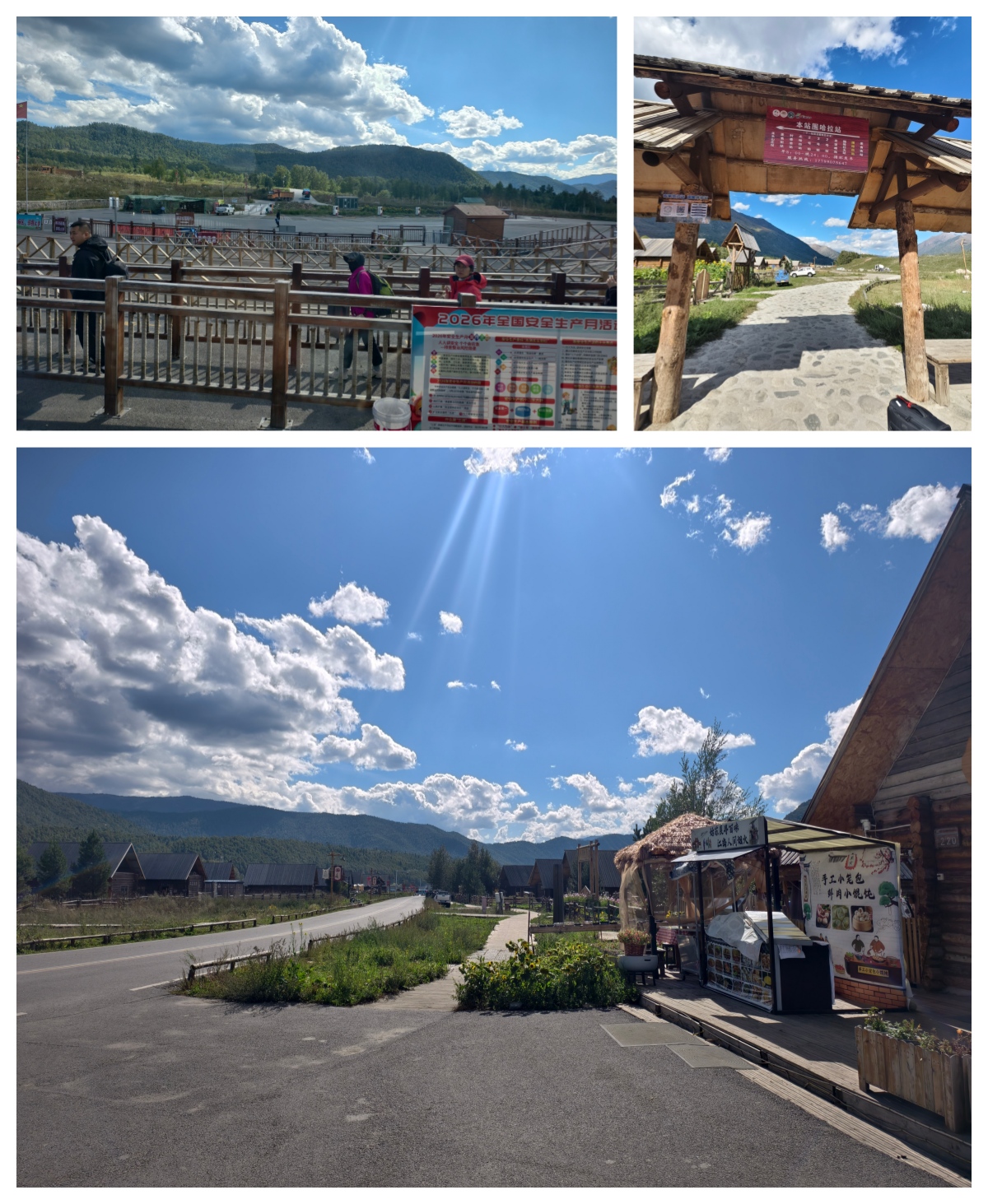
We arrived at Hemu Tourist Service Centre at 15:00. It features a large parking lot.
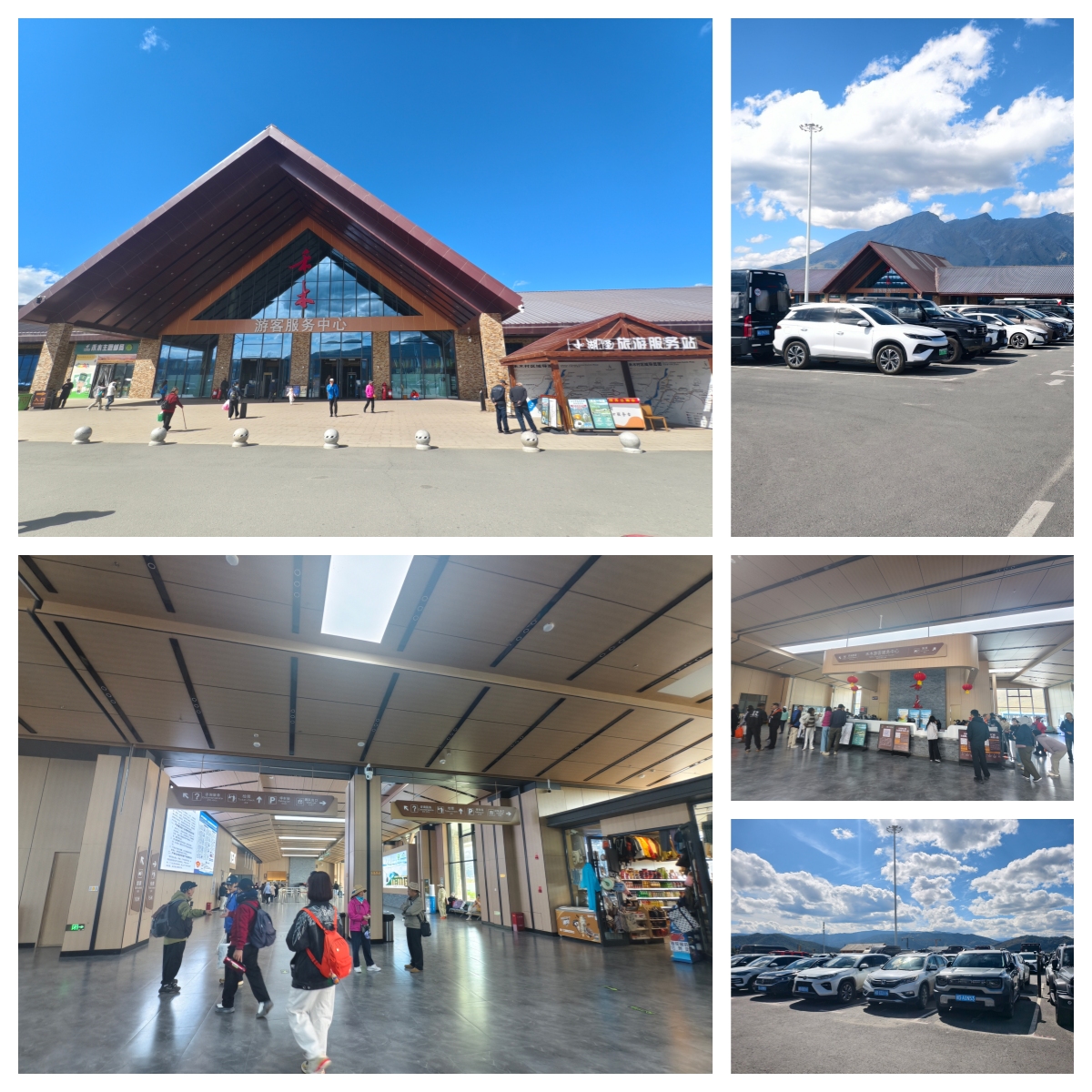
The Hemu Tourist Service Centre (new centre, opened in June 2025) serves as the main gateway and transfer hub for Hemu Scenic Area, located roughly 7 km east of Hemu Village. Private vehicles are not permitted into the village, so all visitors must park here, complete ticket checking and board the scenic shuttle buses to Hemu Village. The centre is fully equipped with a service hall, tourist information desk, luggage storage, first-aid station, baby care room and spacious restrooms.
Here is the guide map of Hemu.
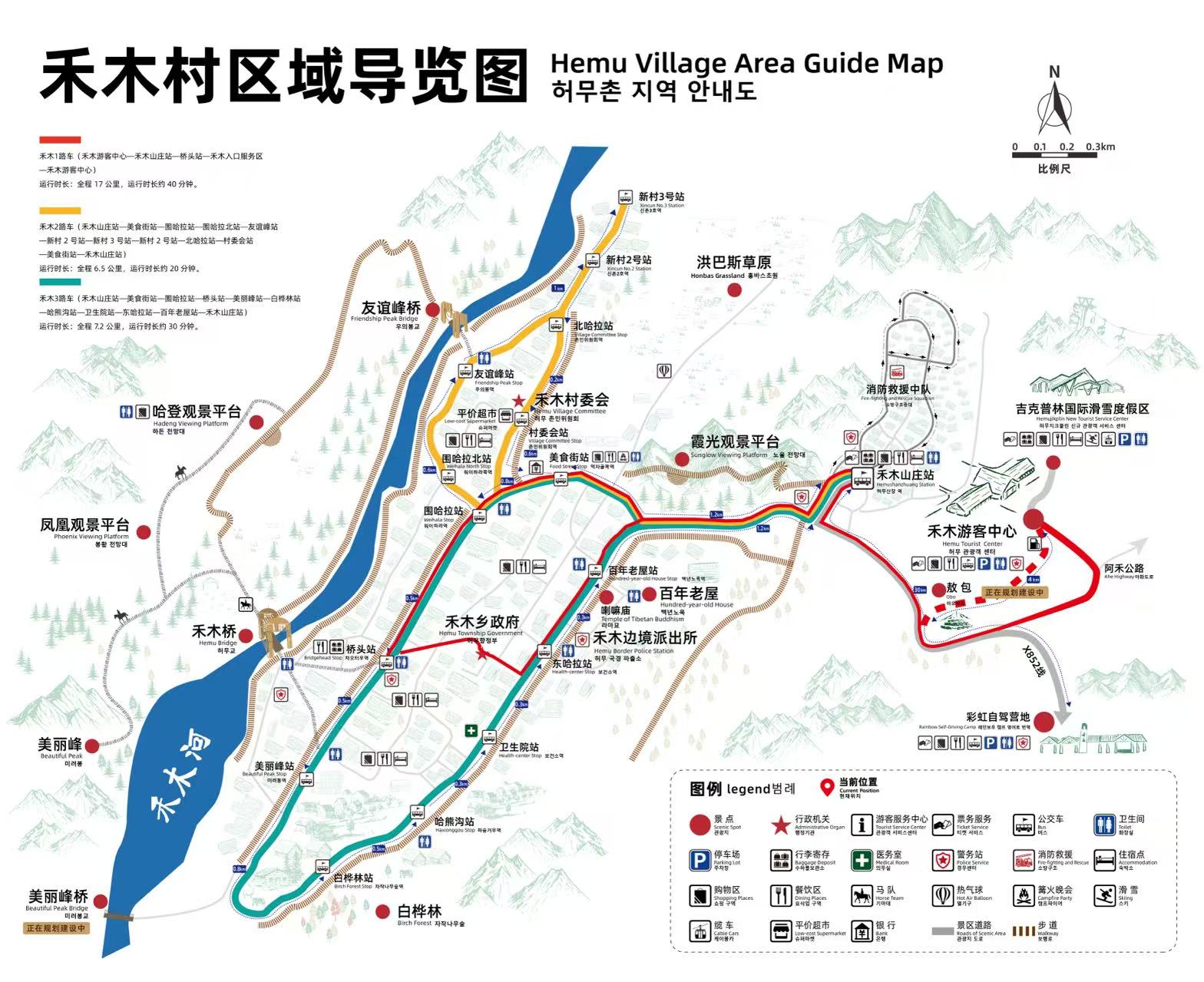
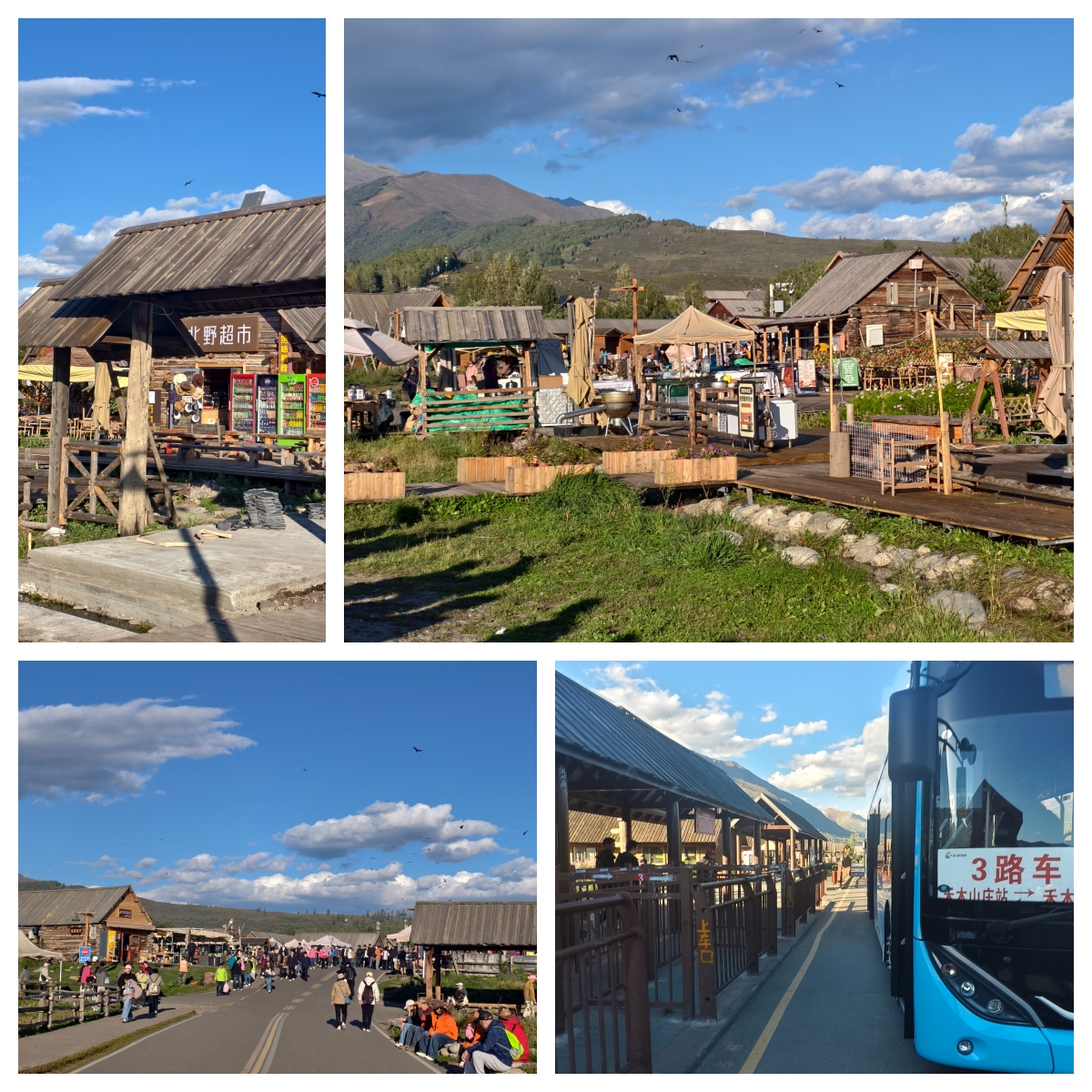
It took a few minutes by shuttle bus from the service centre to Hemushanzhuang Station, the transfer hub for Hemu Village. From there, Bus Line 2 took us another few minutes to Weihala Stop, which was a 2-minute walk from our hotel.
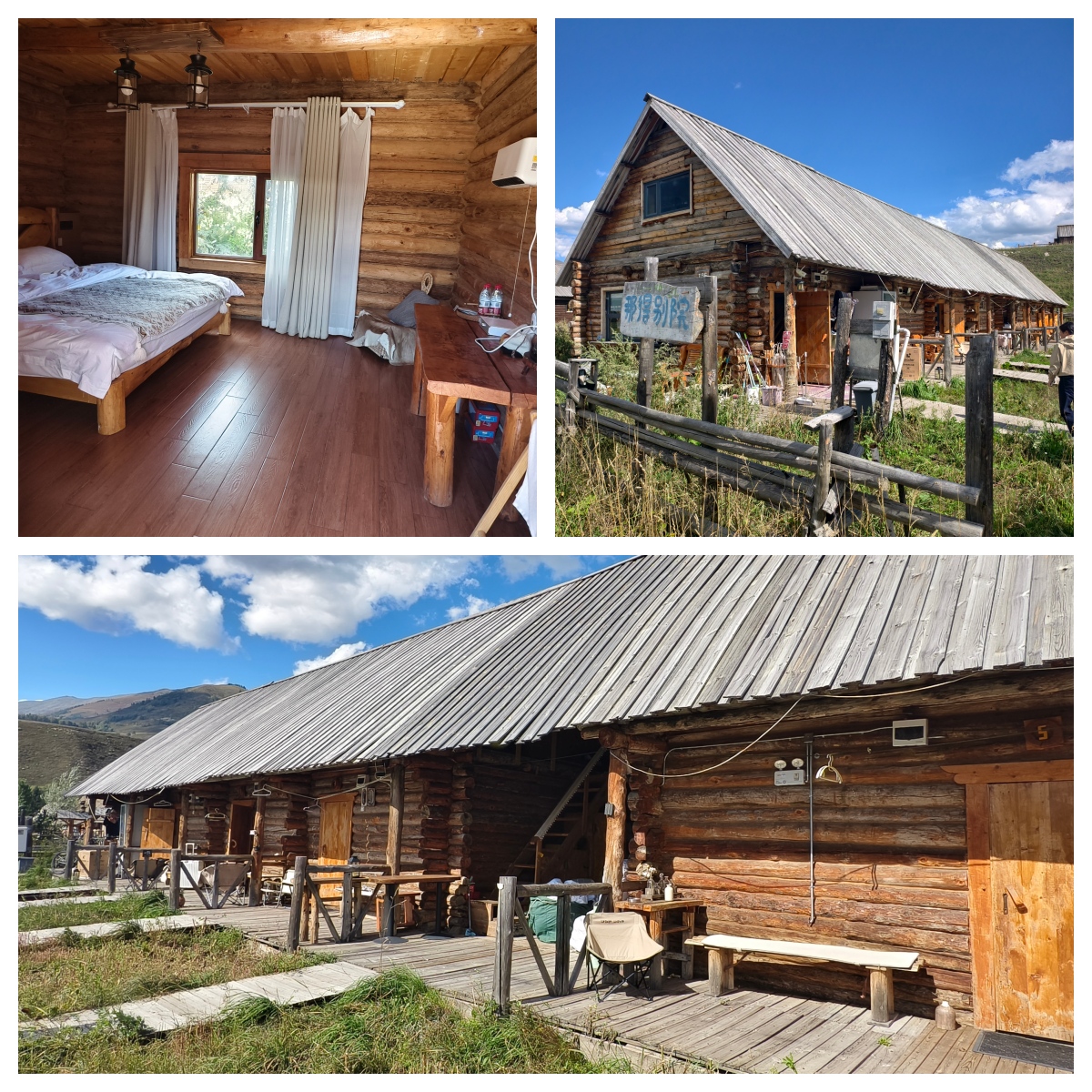
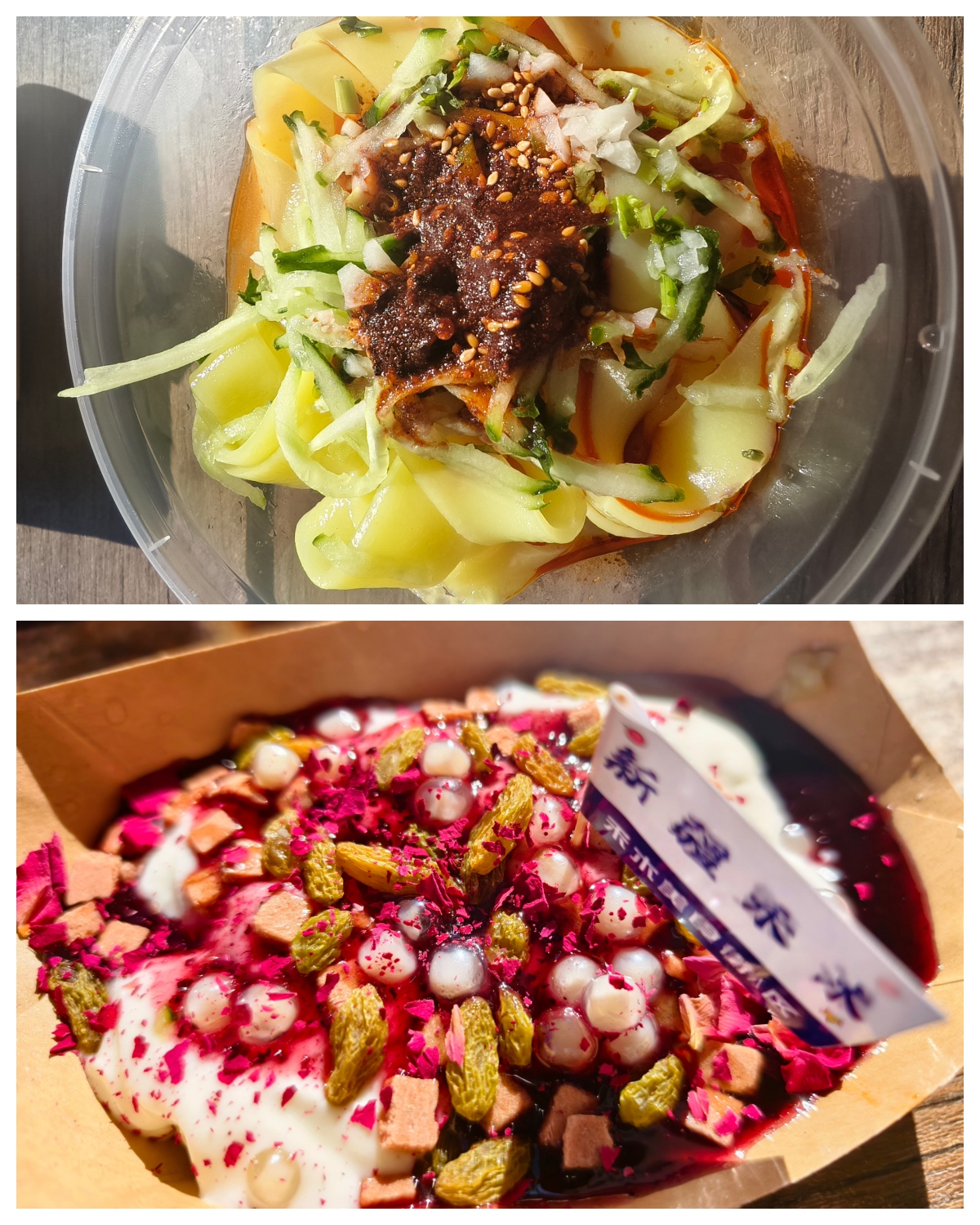
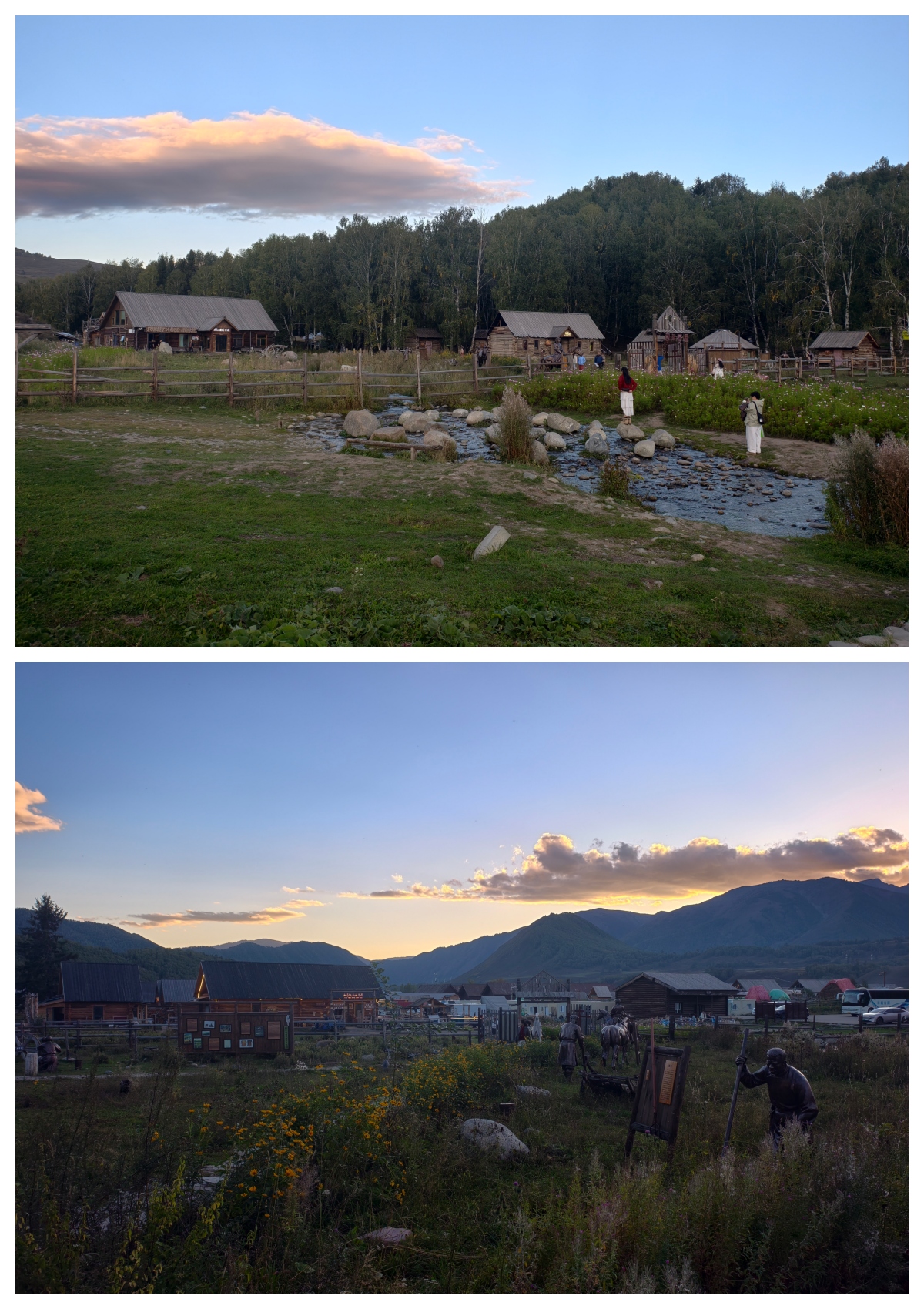
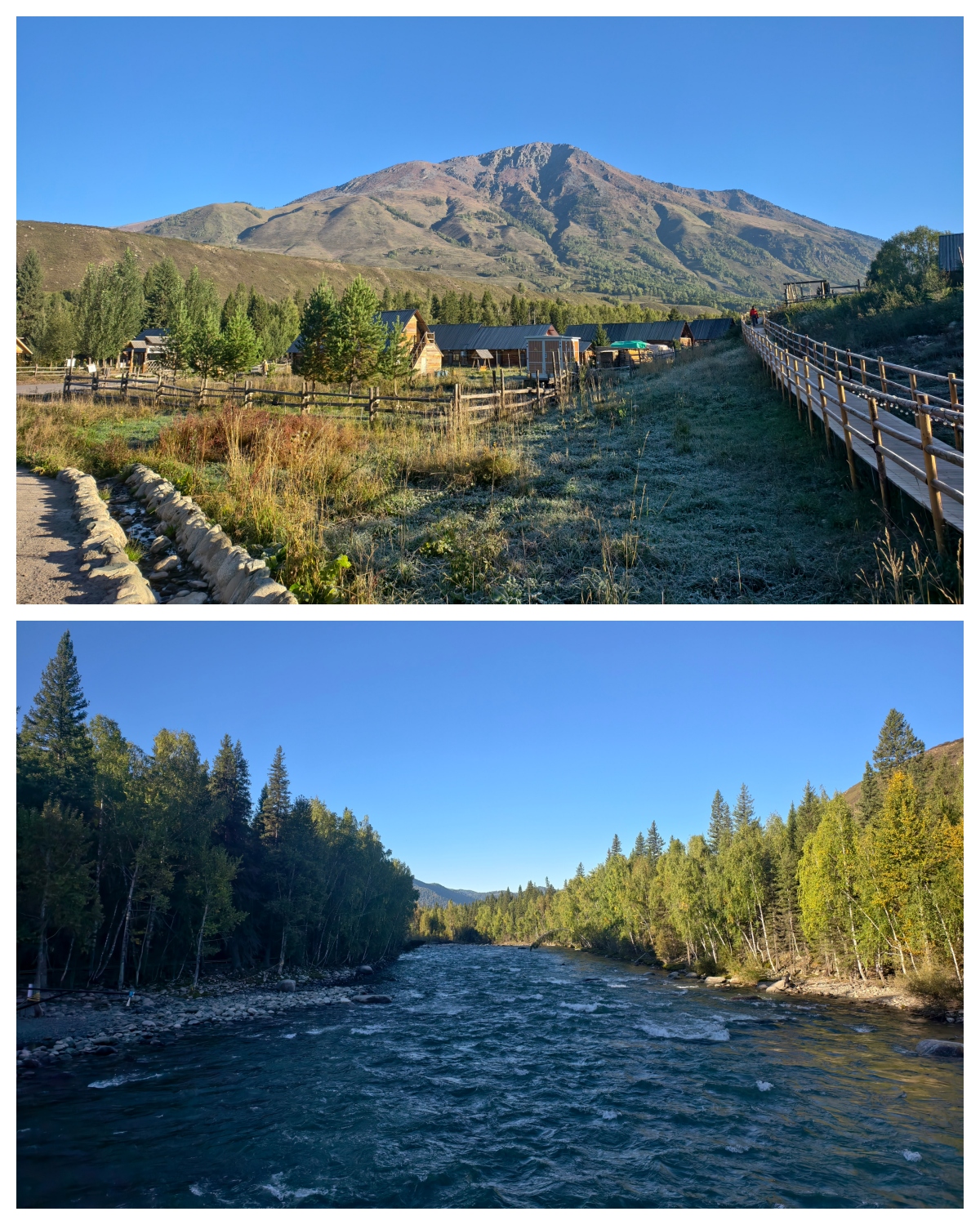
After check-in, we headed to the food street on foot for a simple lunch and to get a feel of Hemu. What was our first impression? It felt like a fairyland, peaceful and beautiful. Admittedly, we faced crowds while purchasing tickets and taking shuttle buses. But as soon as we stepped off the bus, we entered another world. You can wander around in a pleasant, safe setting, surrounded by stunning Tuvan-style wooden houses and natural scenery.
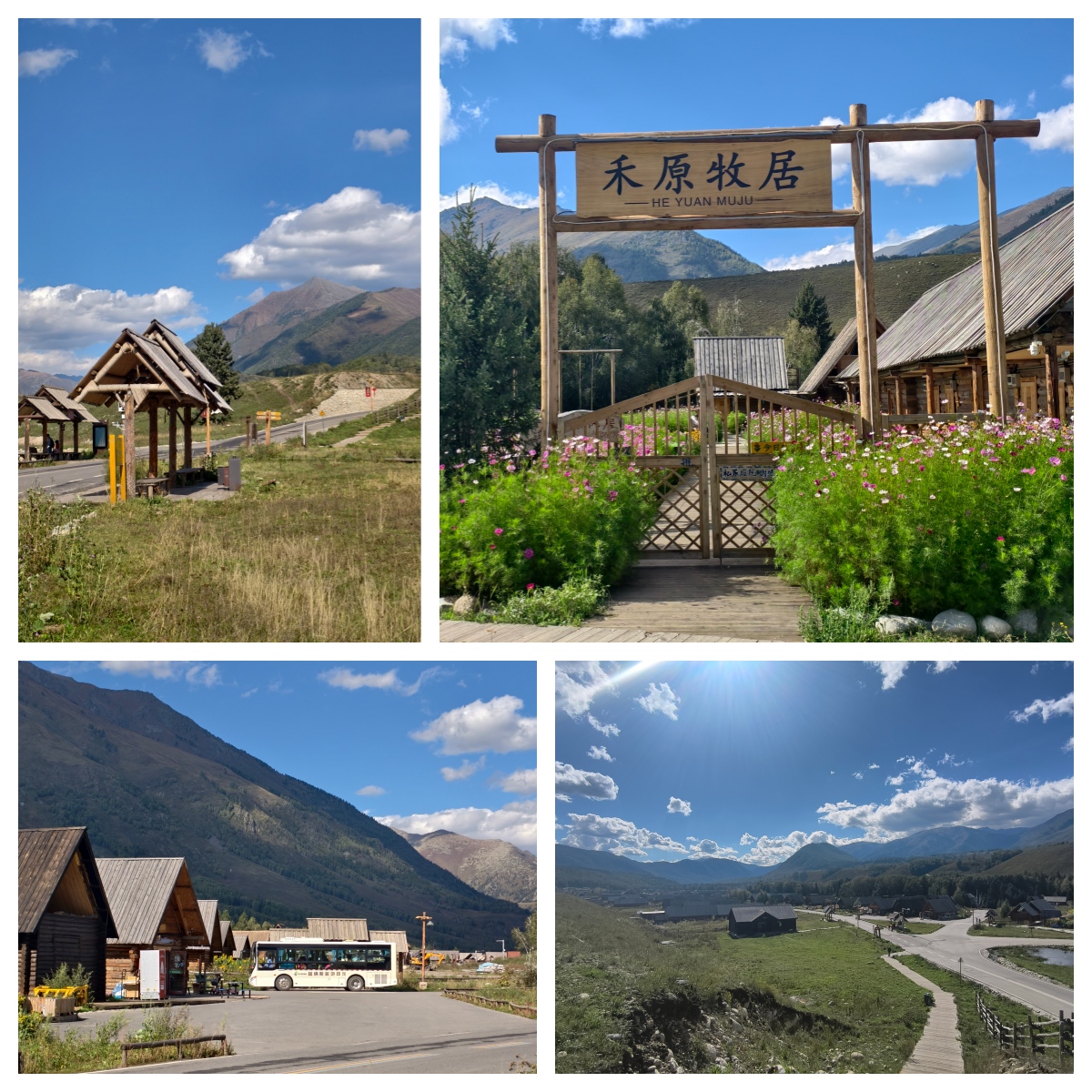
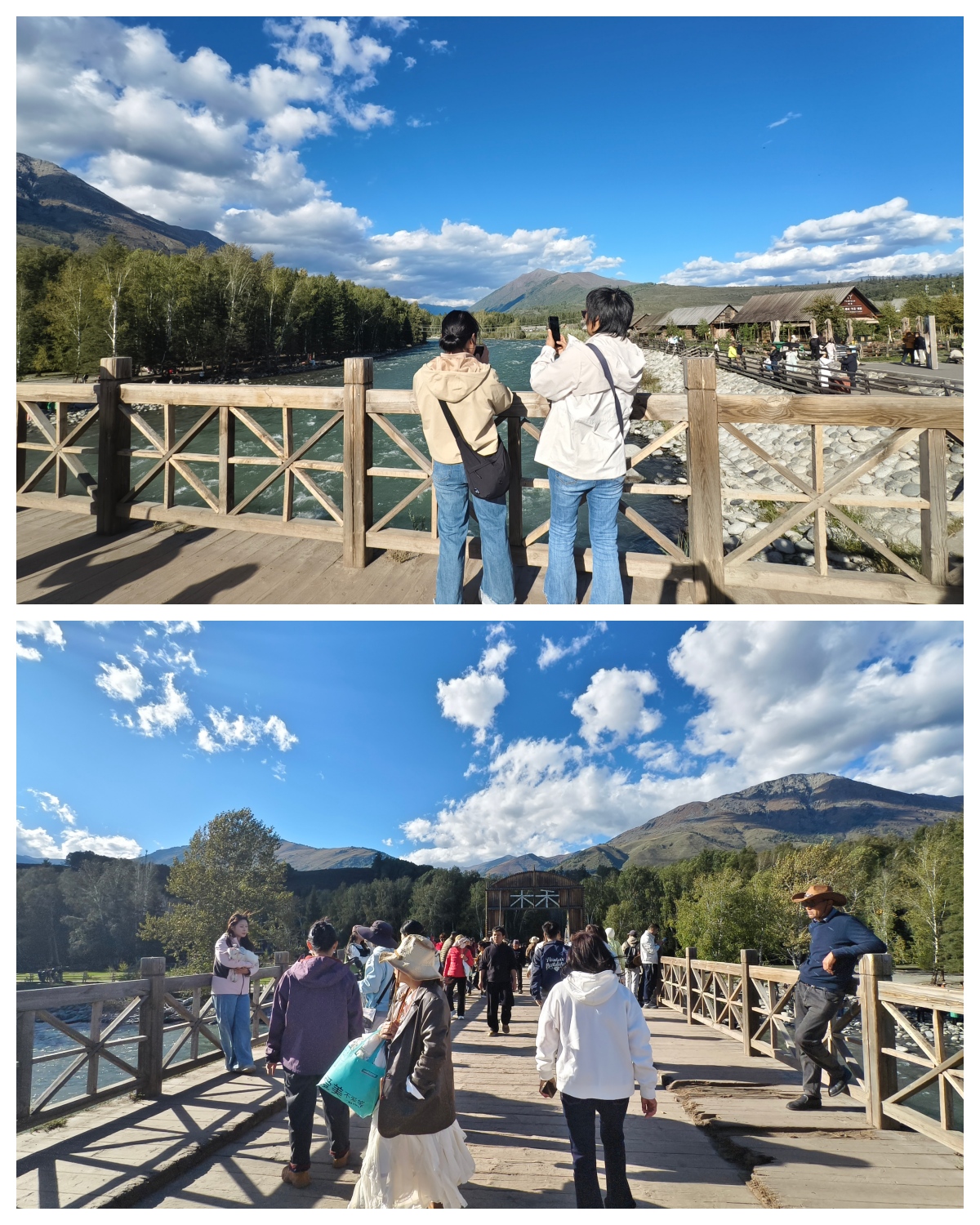
After lunch, we boarded the shuttle bus to Qiaotou Station ("Bridgehead Stop" on the map). From there, we followed the crowd on foot to Hemu River and Hemu Bridge. We later discovered we could actually walk around the entire village without taking any shuttle buses.
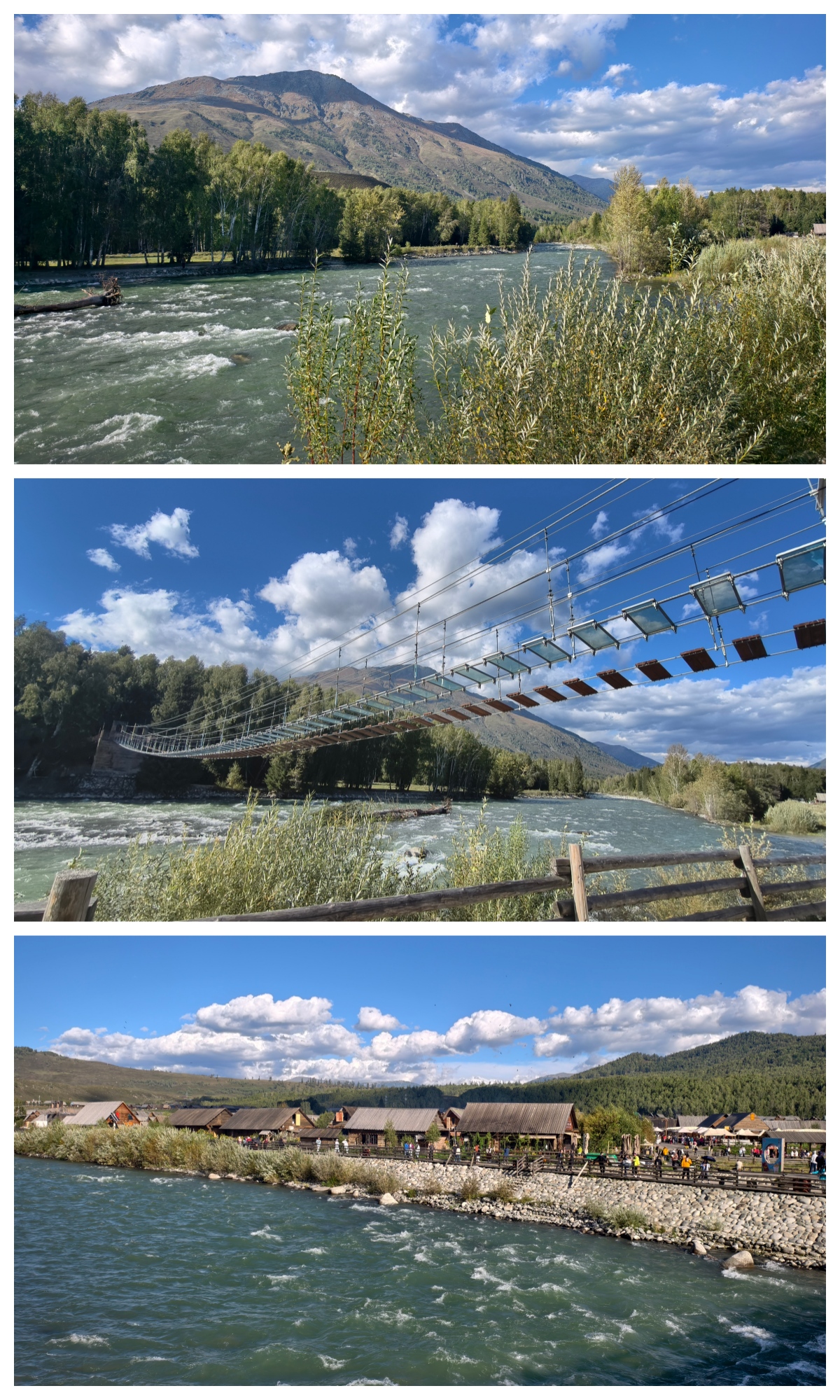
The bridge was busy with people taking photos, but it was not noisy.
We then crossed the bridge and continued climbing up to the Hadeng Viewpoint.
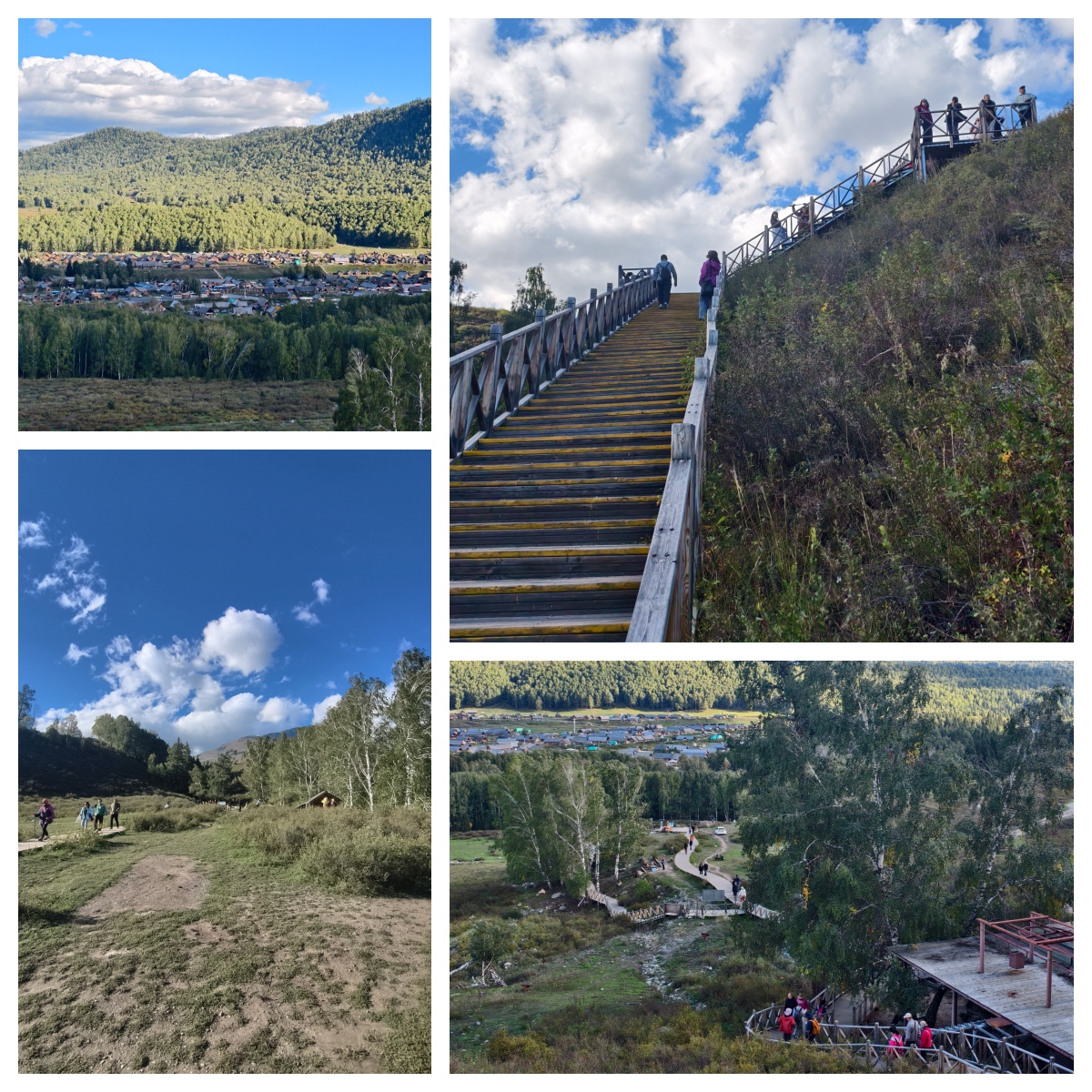
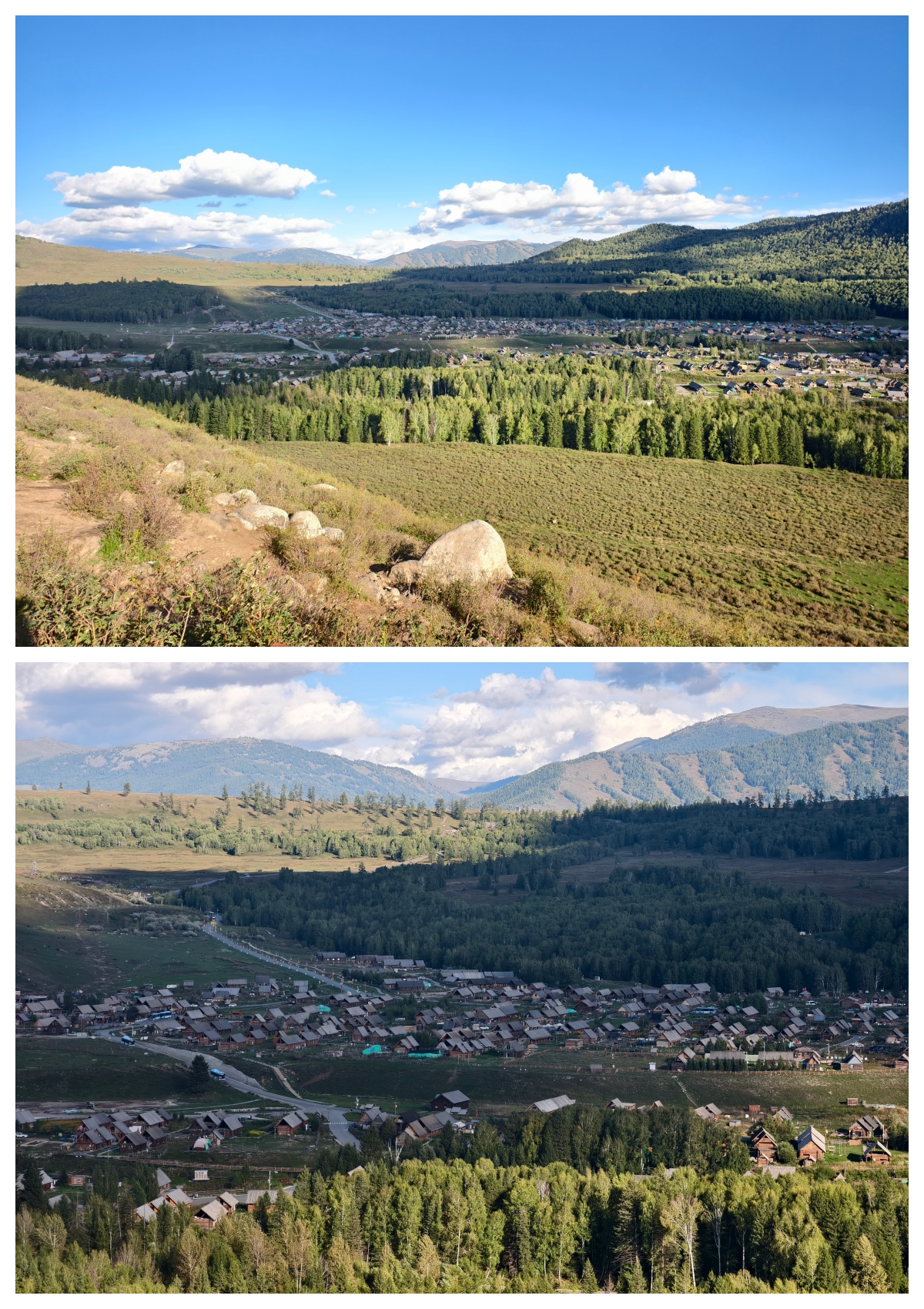
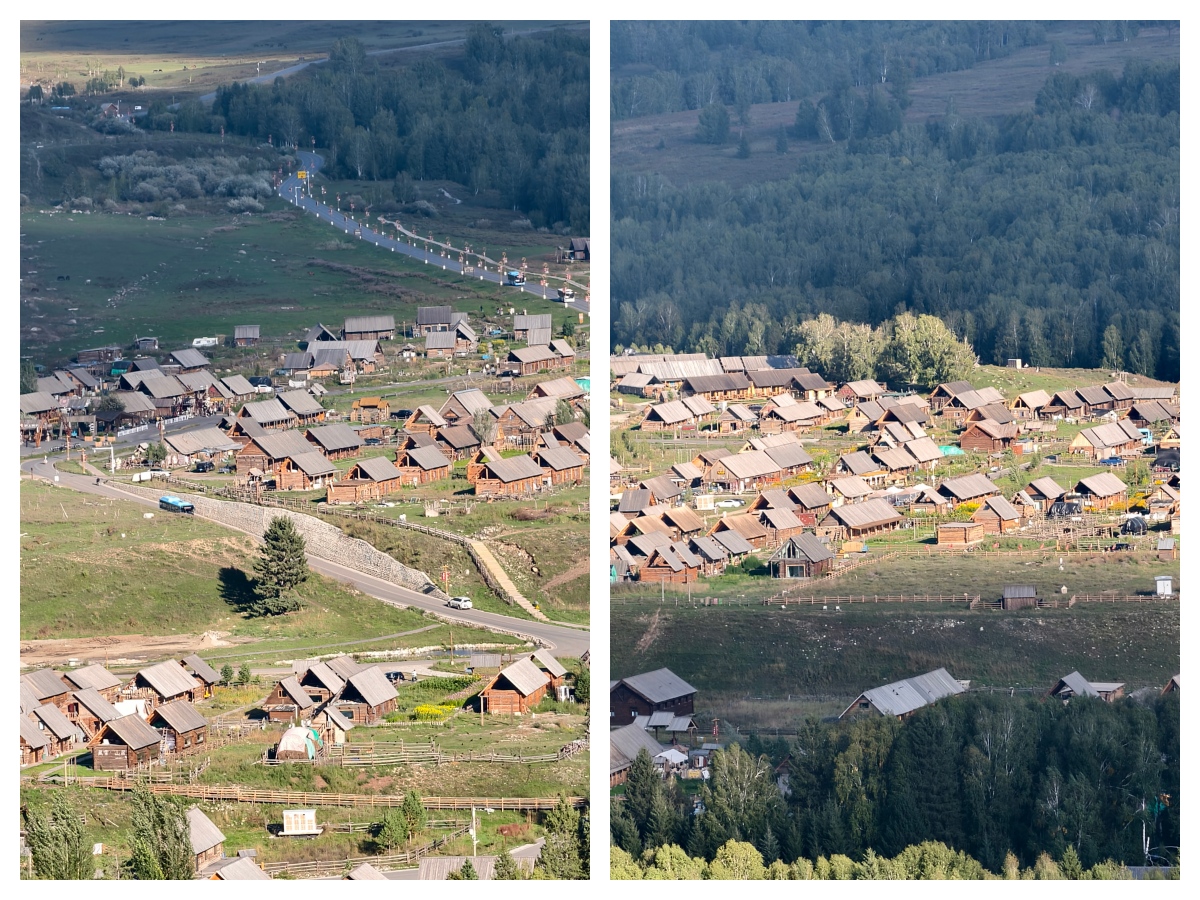
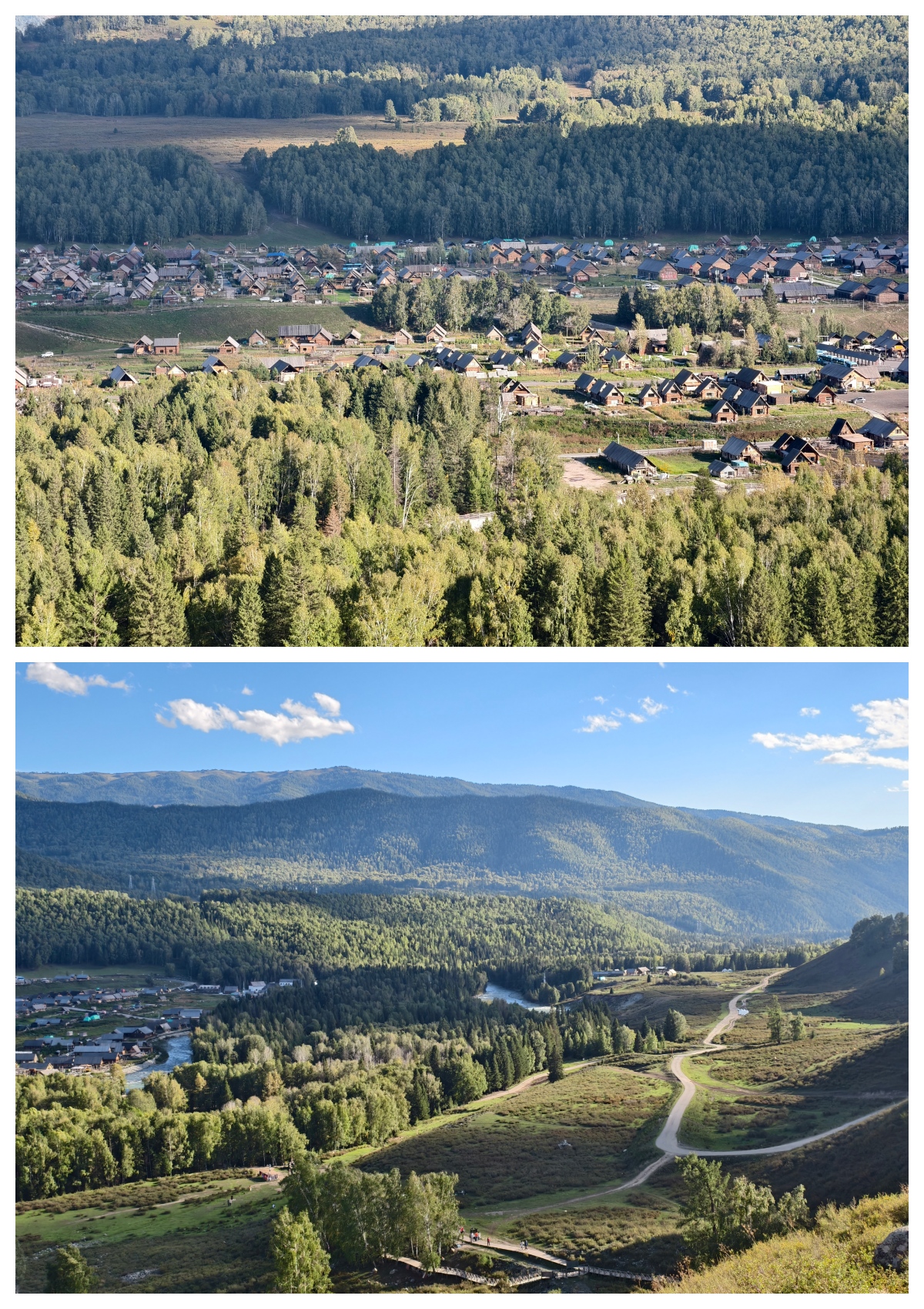
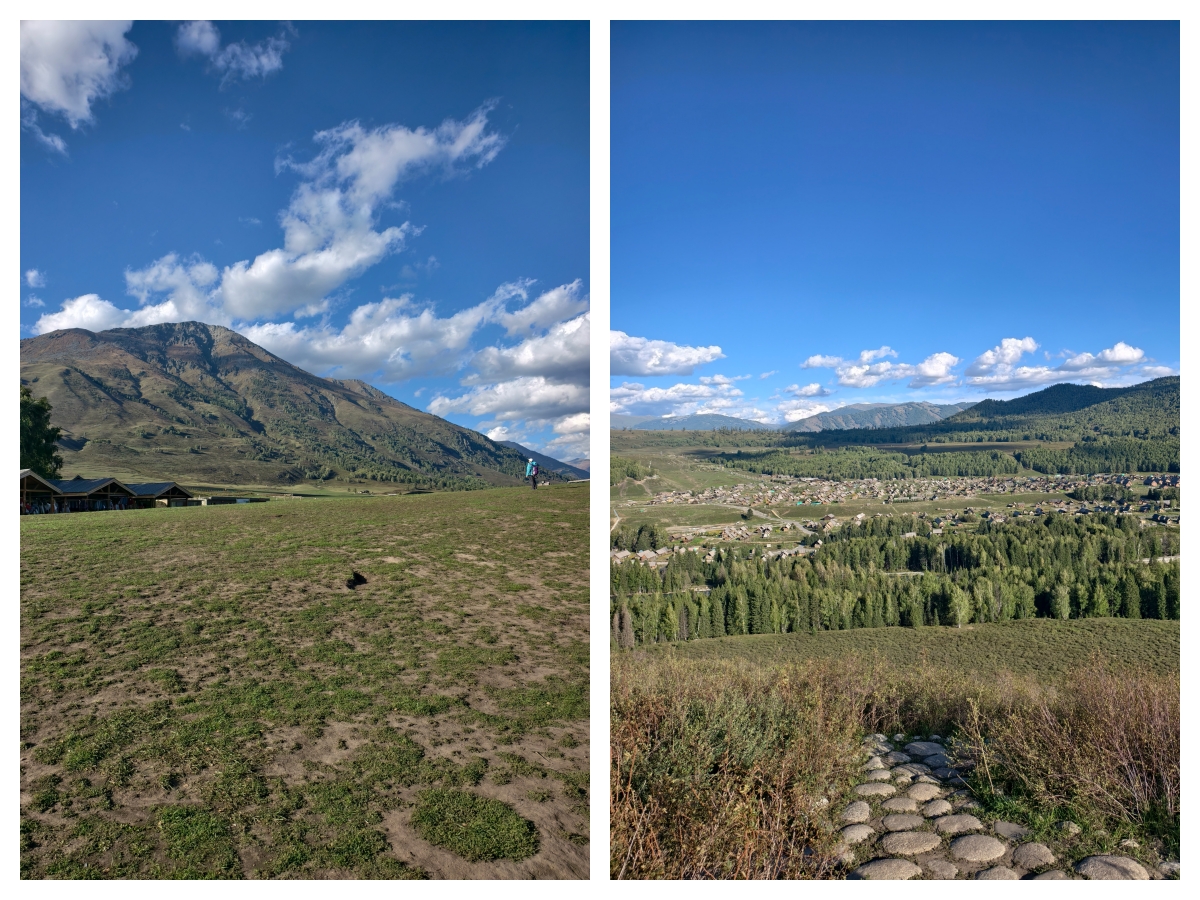
From Hadeng Viewpoint, we overlooked the entire Hemu valley. Clusters of Tuvan‑style wooden houses nestle among birch and conifer forests,with rolling mountain ranges stretching far into the distance. It feels wonderfully open and peaceful. Vast mountain landscapes bring great tranquility, a perfect blend of rural charm and wild natural beauty.
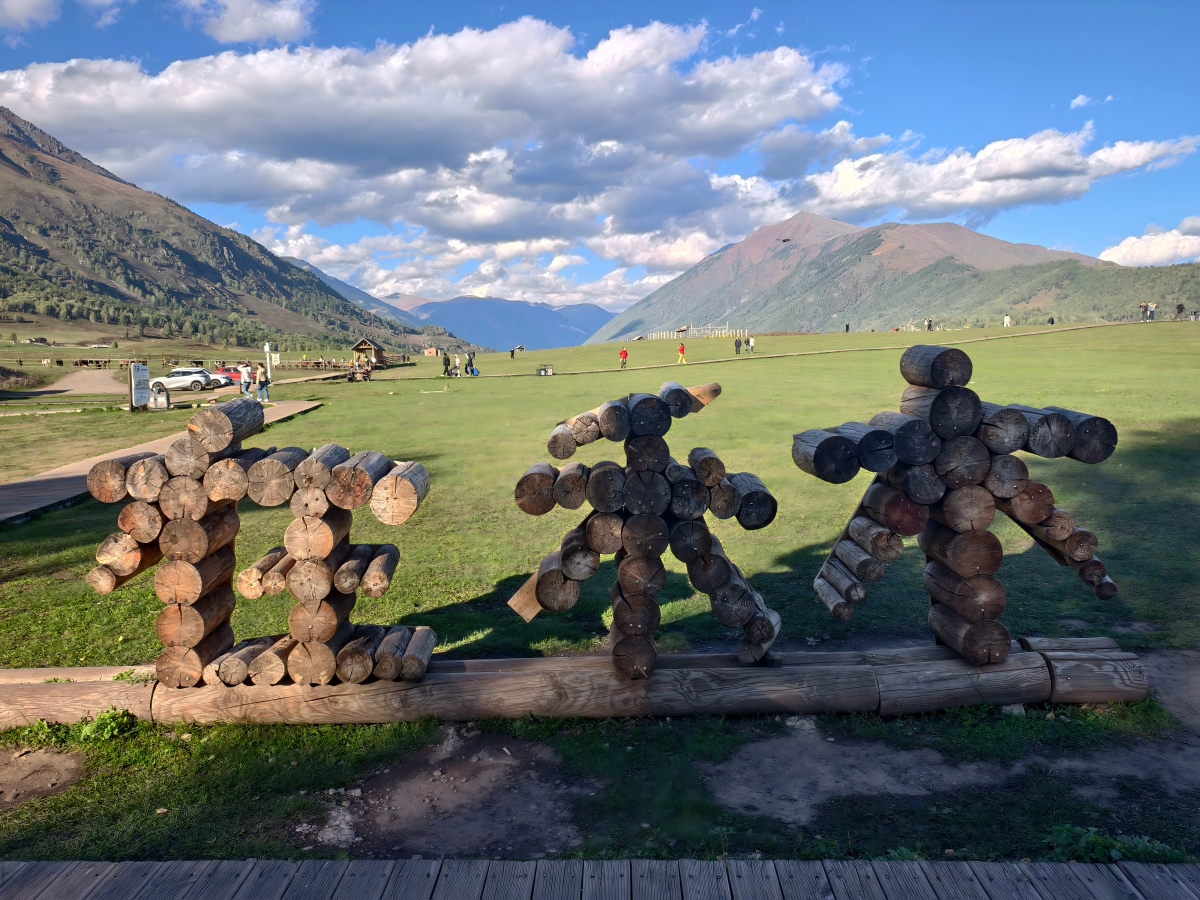
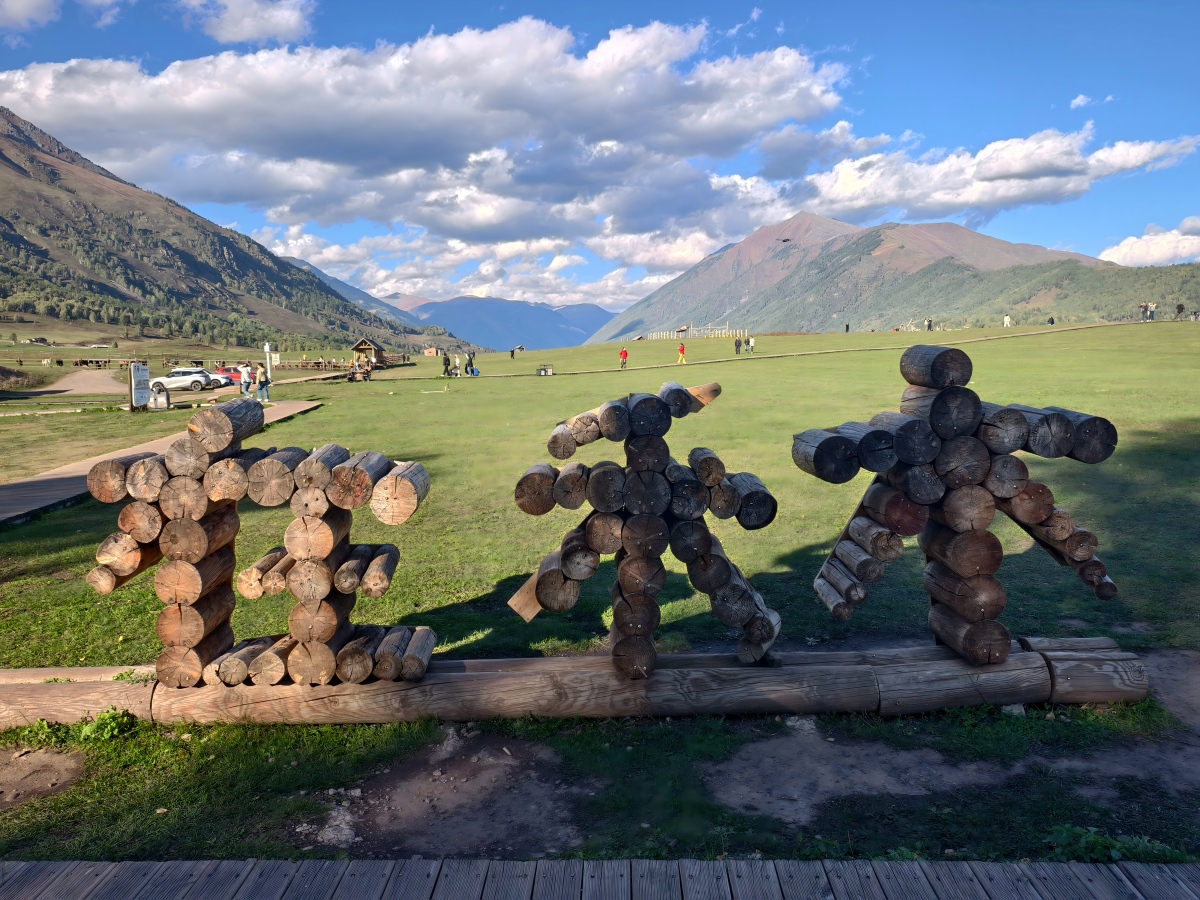
In Hemu - the Chinese characters are crafted from stacked logs.
We walked back to Qiaotou Station to take Bus Line 3 for the Birch Forest.
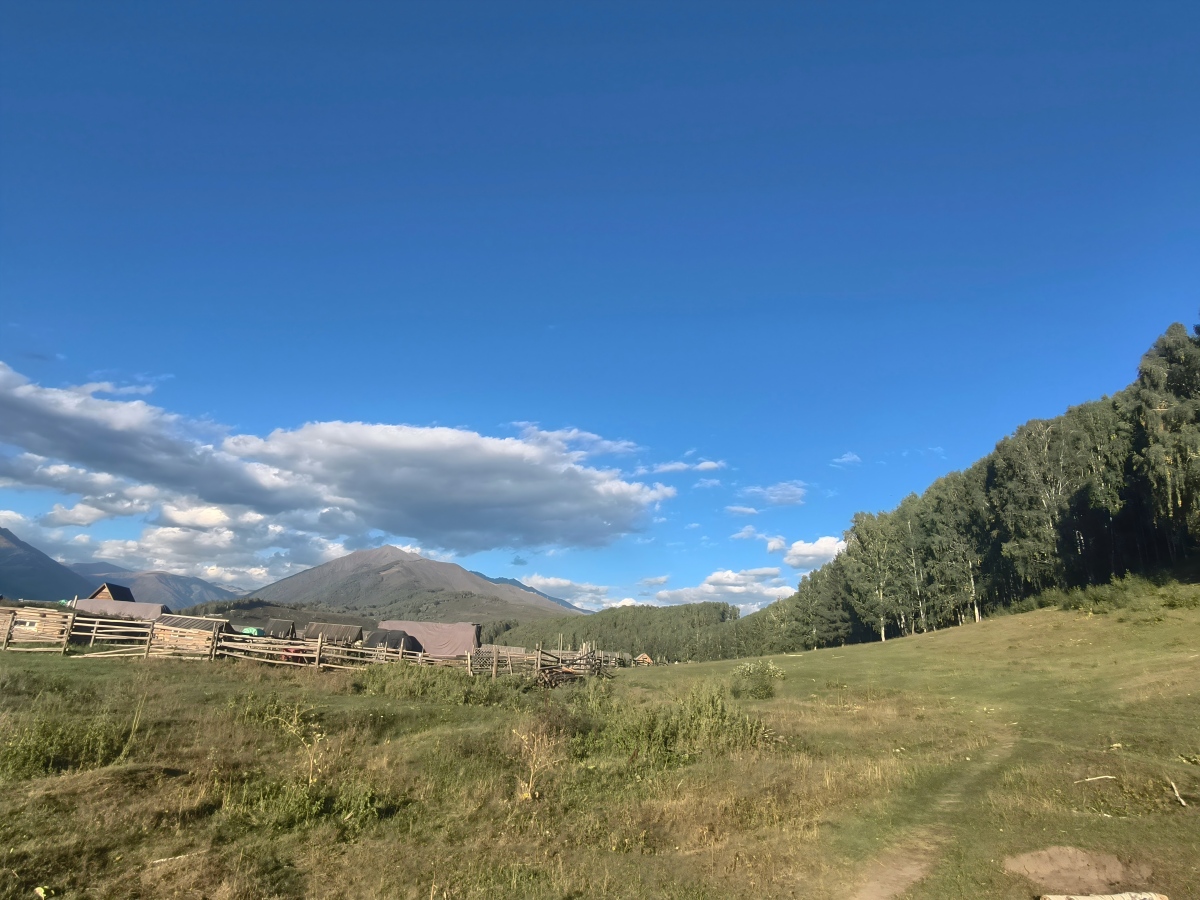
We climbed up the hillside and came upon vast alpine meadows.
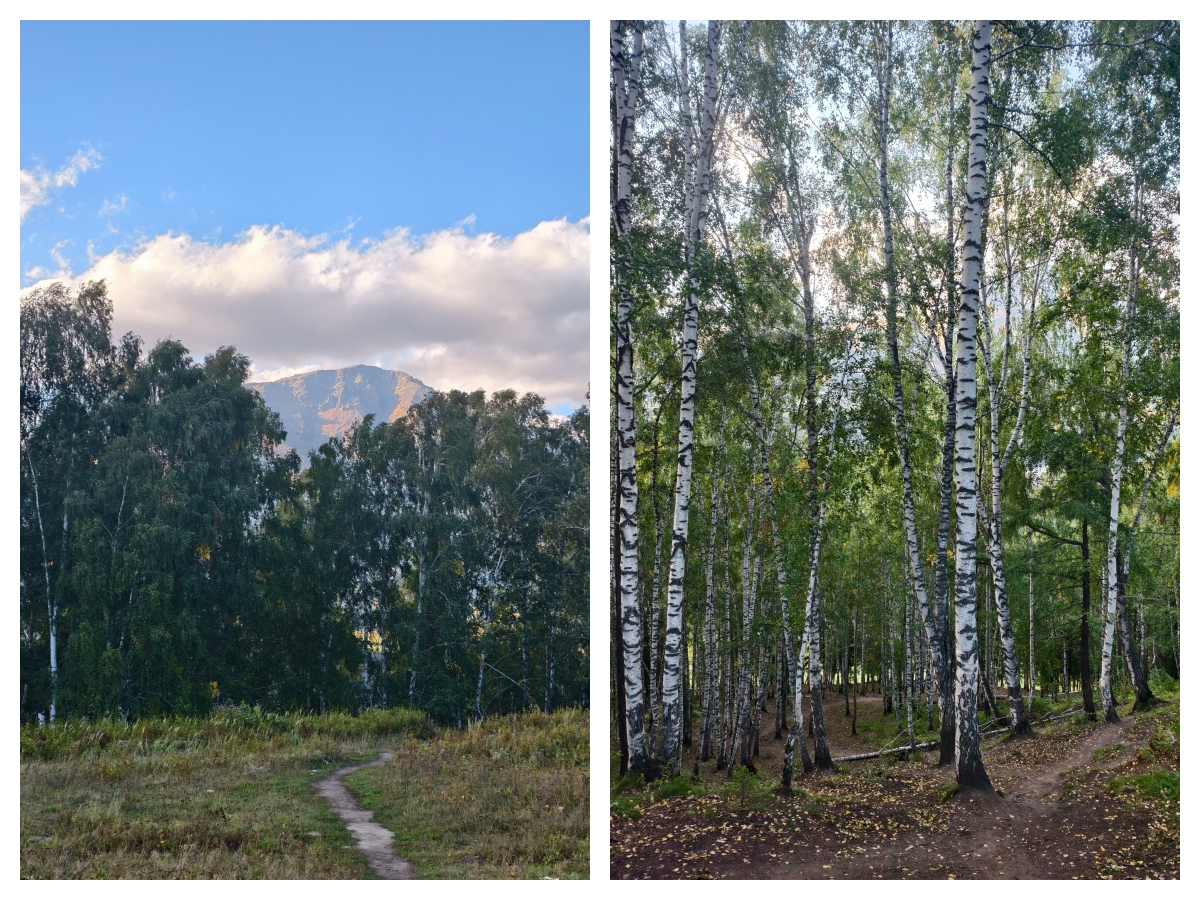
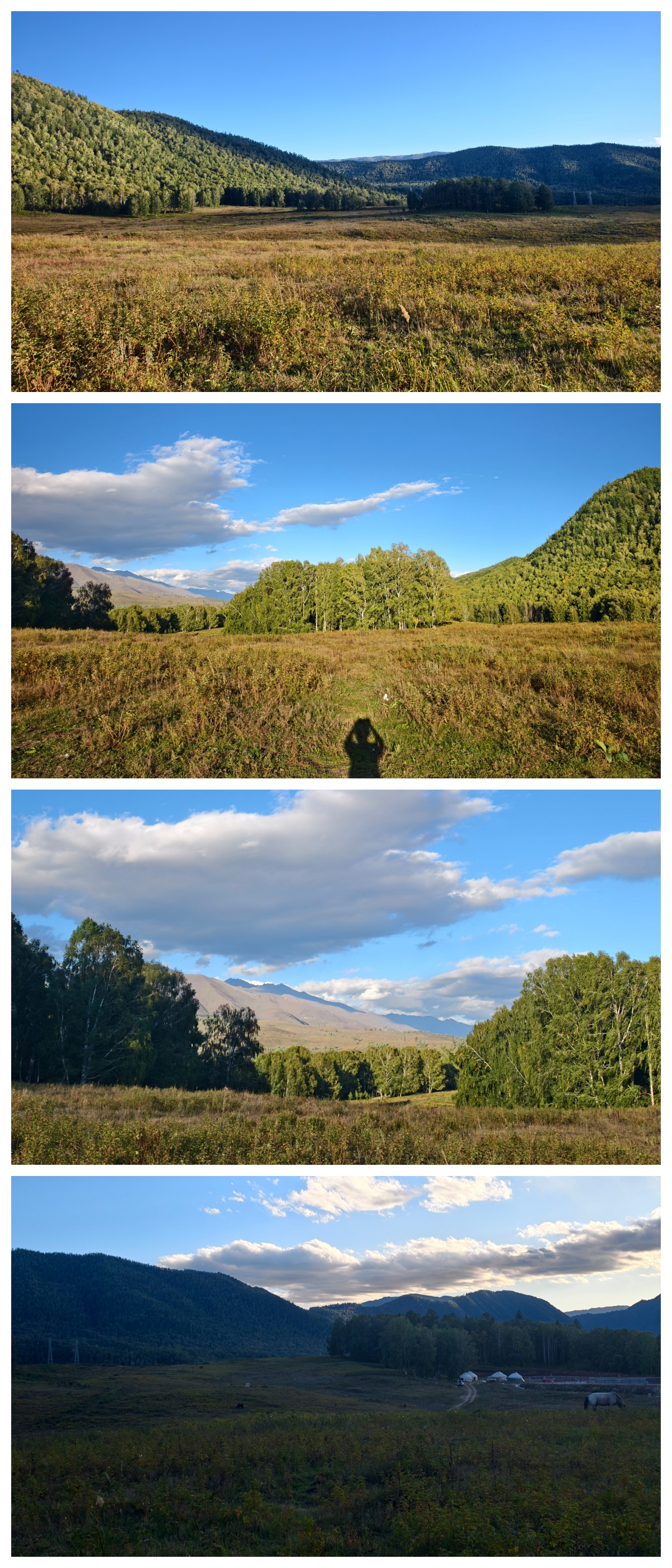
We then chose to wander around the village - a fantastic call. How can everywhere be this beautiful?
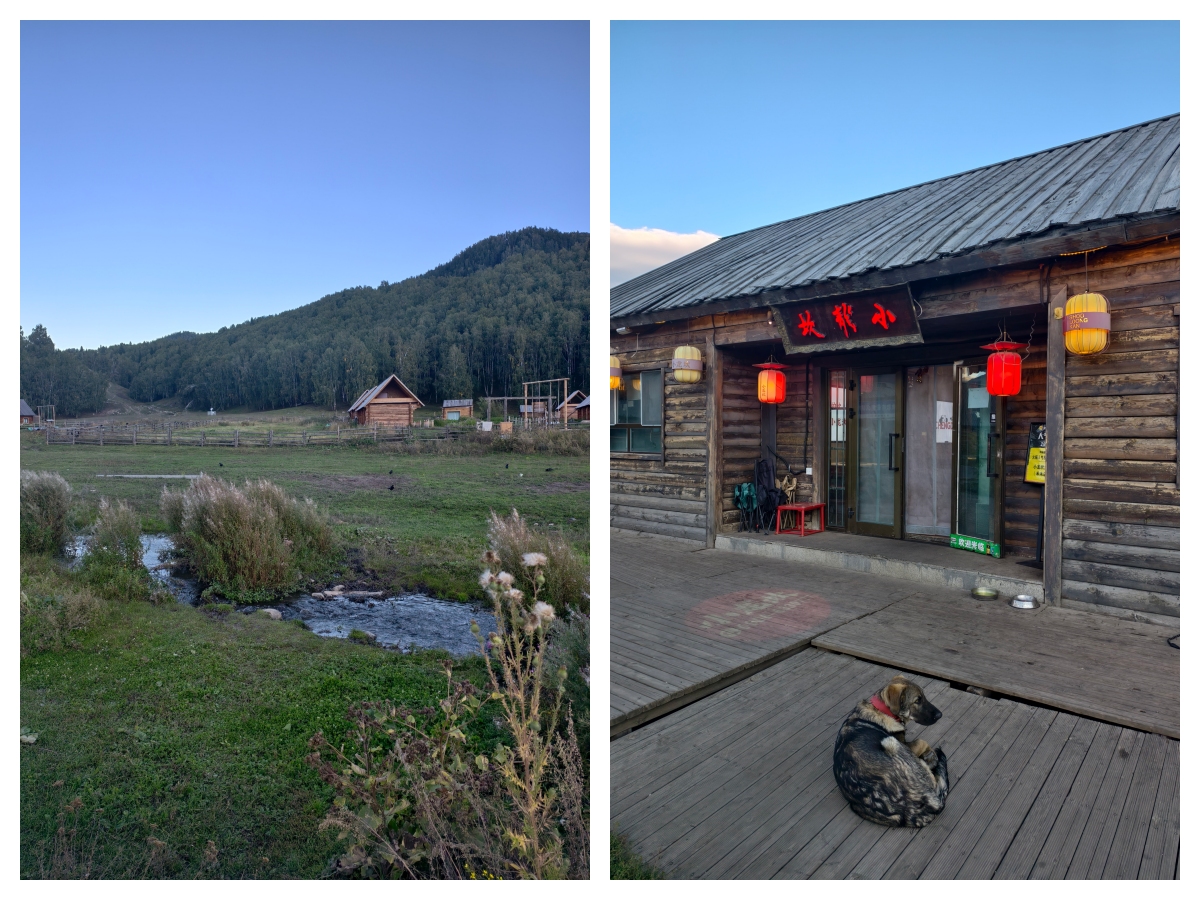
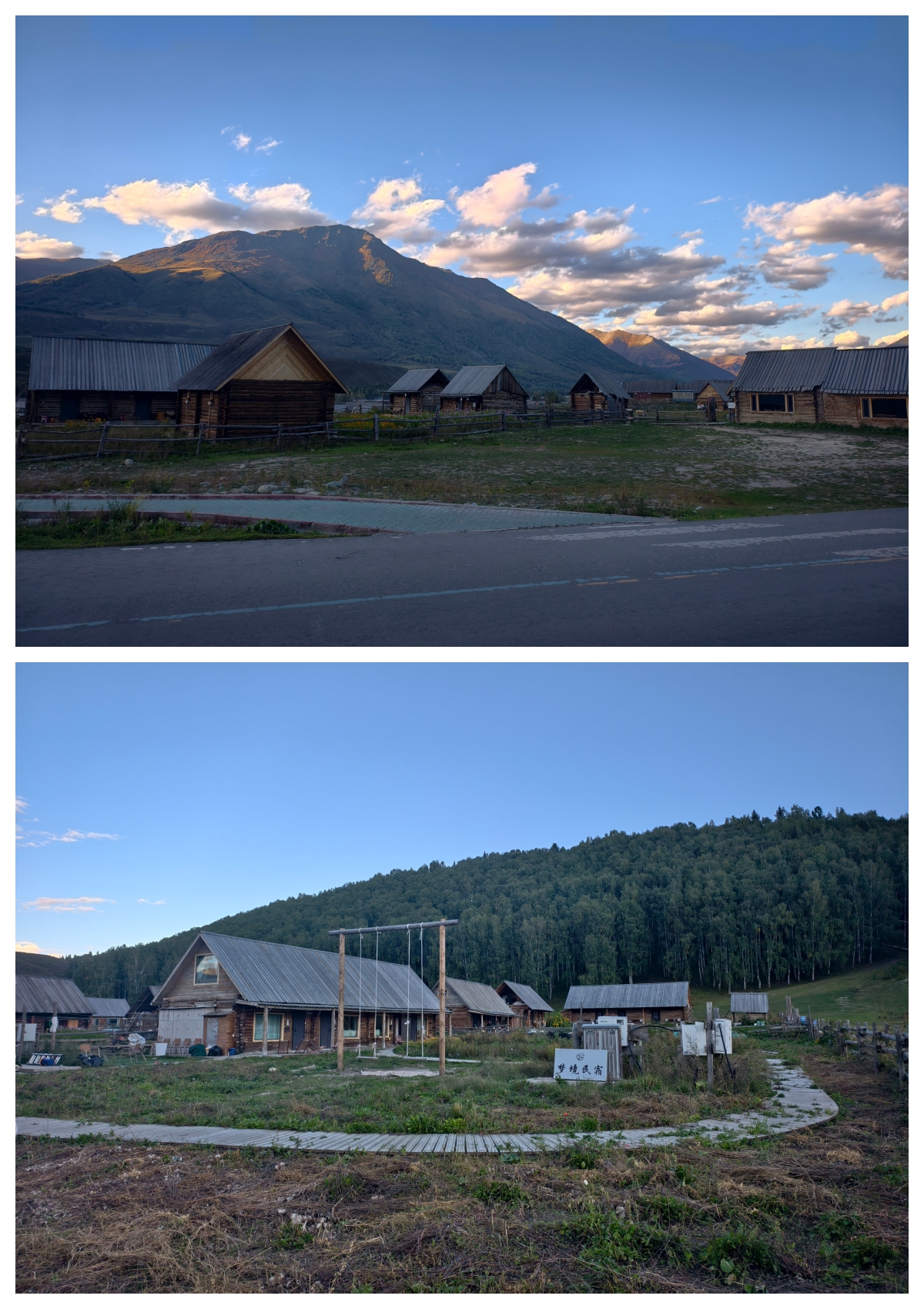
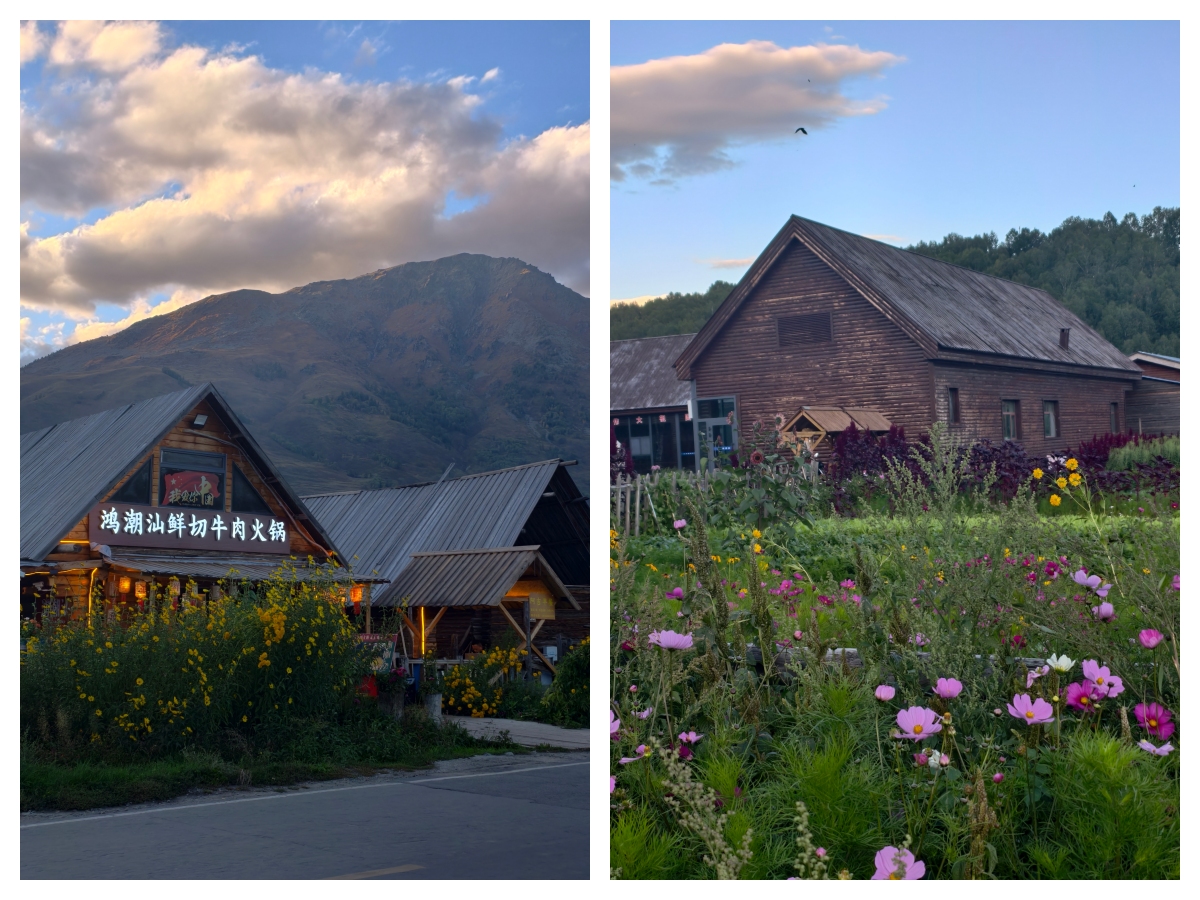
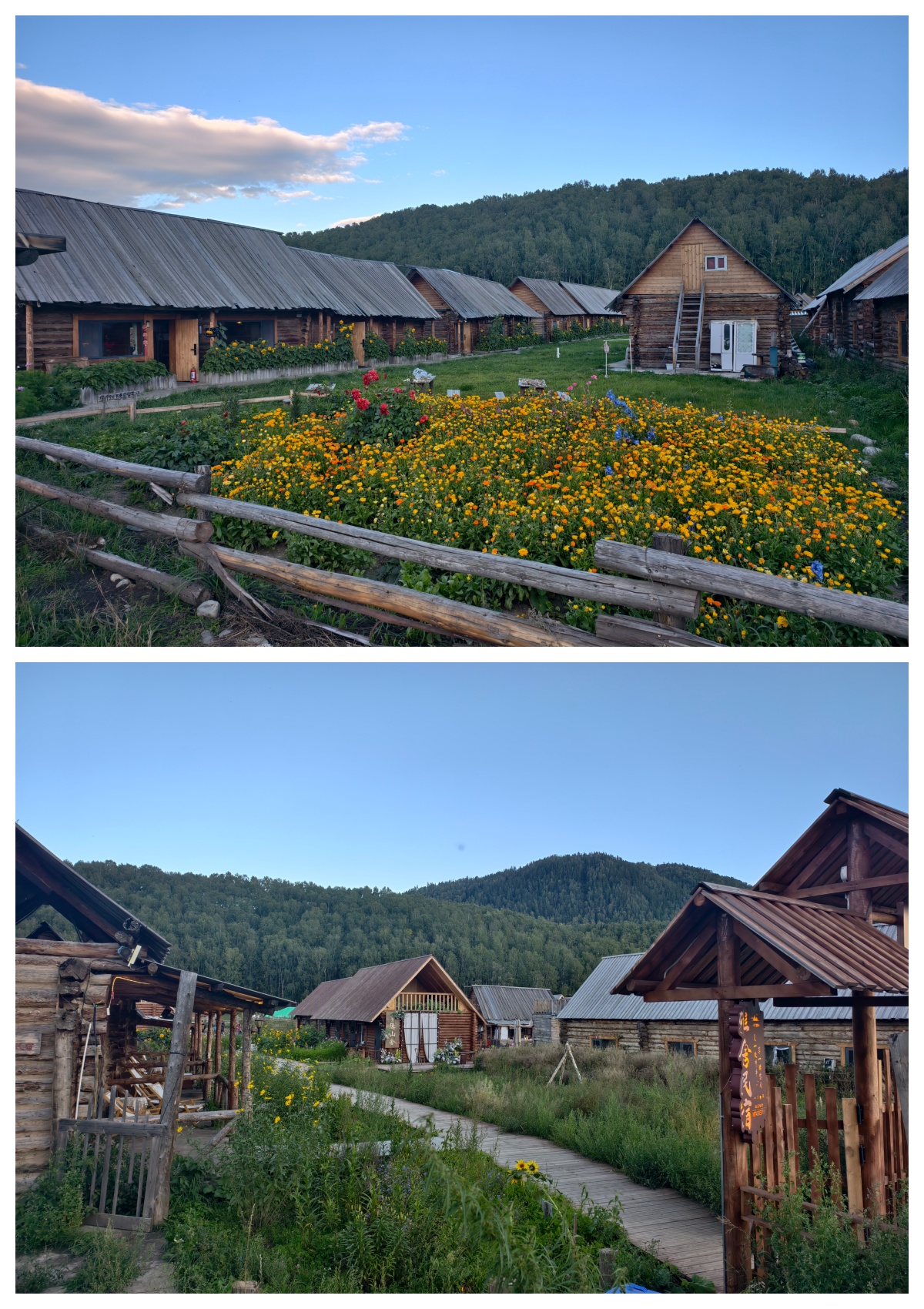
This has to be the prettiest police station of all, doesn’t it?
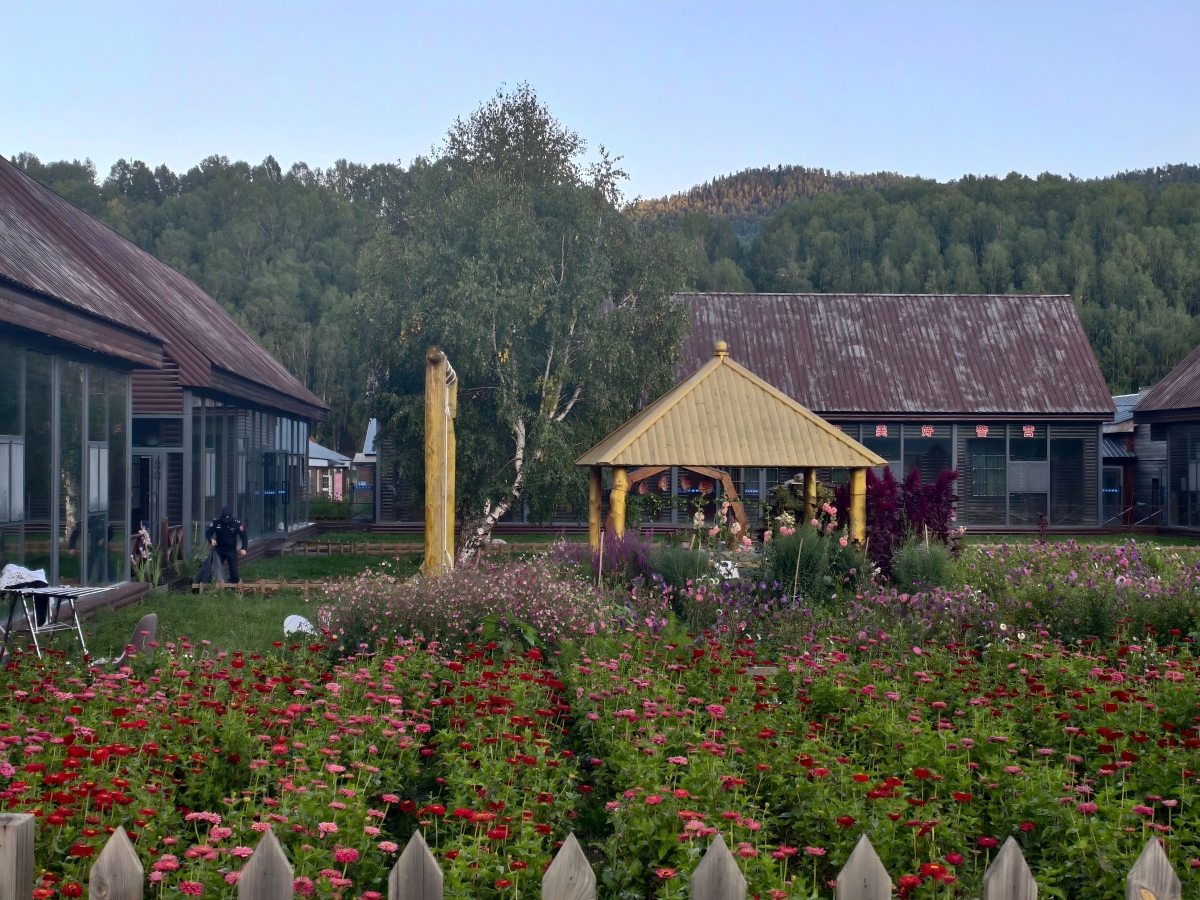
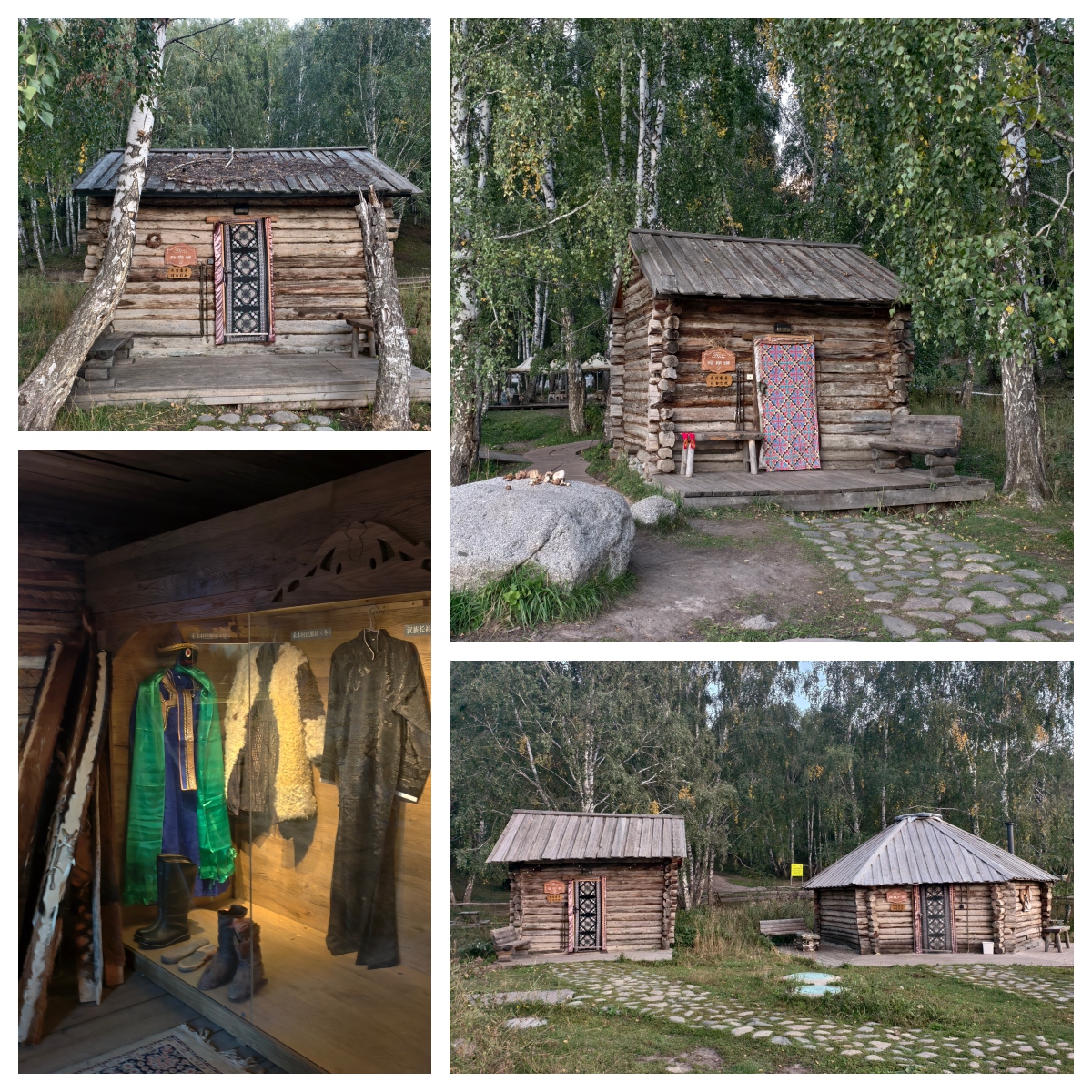
We visited the Hundred‑Year‑Old House and learned a little more about Hemu Village as well as the Tuvan people and their culture.
One of China’s three surviving Tuvan villages, remote Hemu ranks among China’s Top Ten Most Beautiful Villages. Local Tuvans maintain age‑old herding and hunting traditions. Han, Kazakh and even former Russian settlers bring multi ethnic cultural fusion, creating Hemu’s special harmonious appeal. The other two Tuvan-inhabited villages are Hanas Village and Baihaba Village.
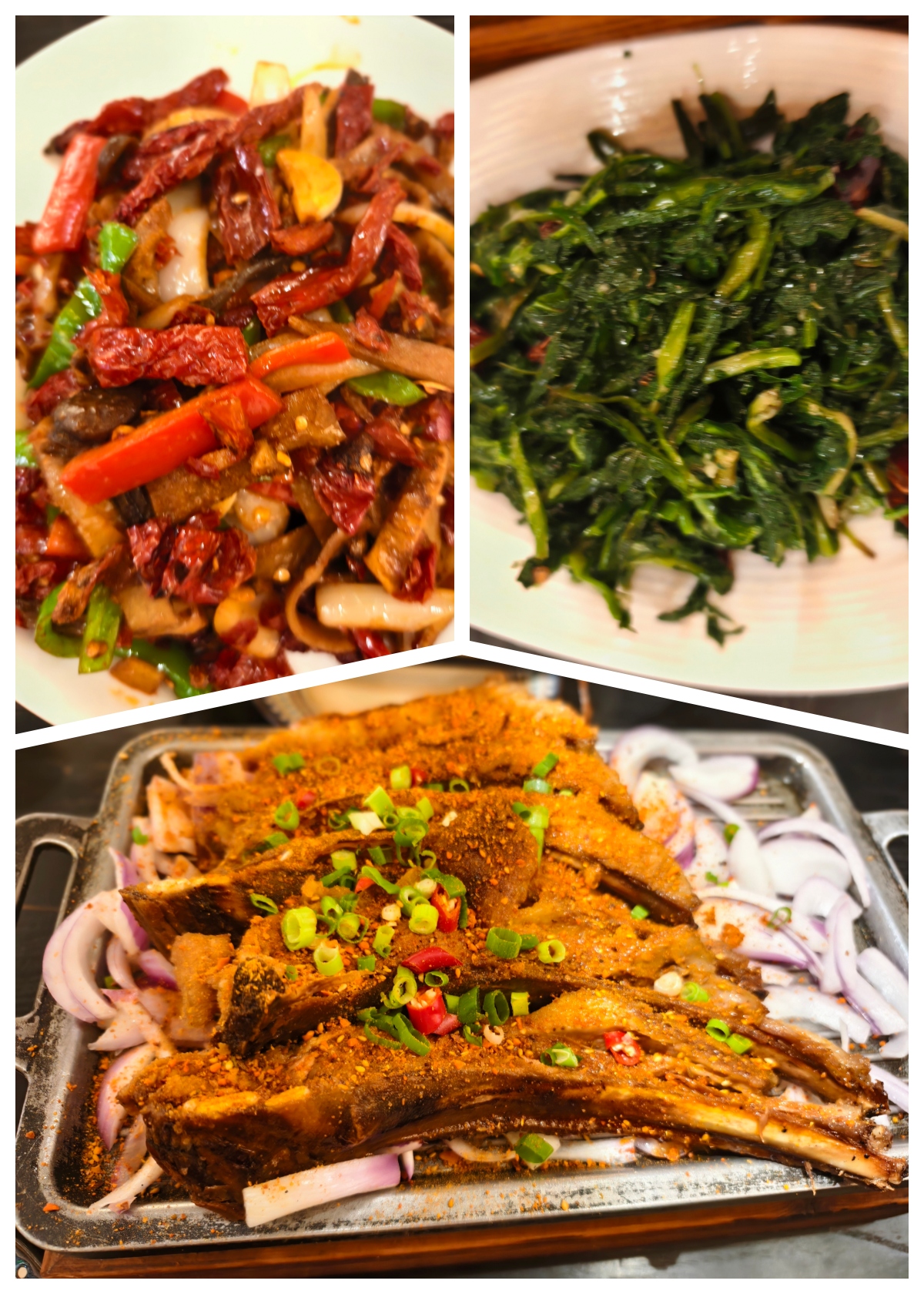
Dinner time! I forgot what we had, but it must have been good.
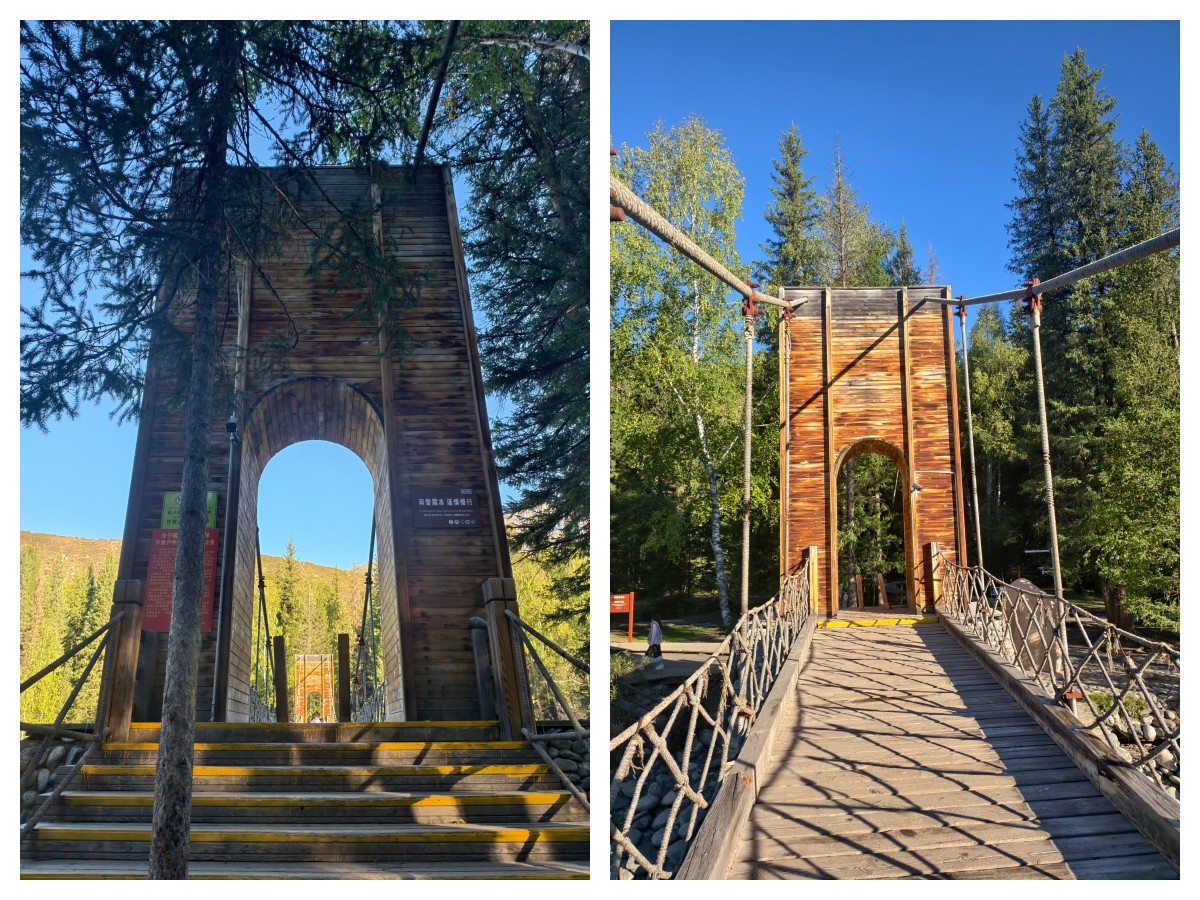
The next morning, we strolled to the quiet Friendship Peak Bridge and savoured our last precious moments in Hemu. Farewell, Hemu!
Yours Truly
Angie Guo - Charmission Travel








Never miss an update from us. Sign up for our newsletter and stay informed about our latest news, products, and promotions.
2014-2024 © Copyright Charmission, All rights reserved.京ICP备19015279号-2